Introduction
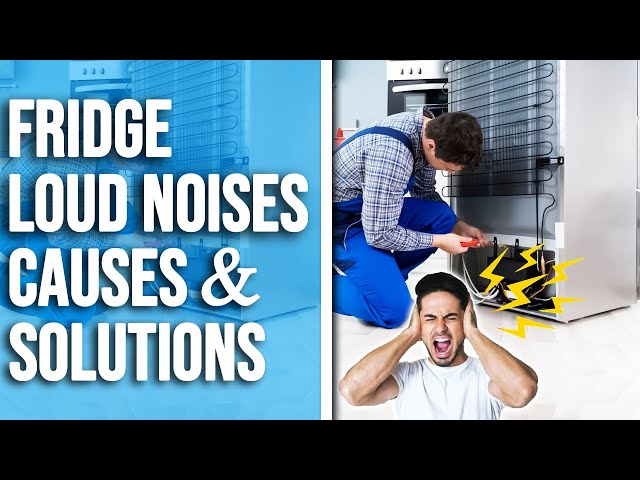
A noisy fridge can be incredibly annoying. Not only is it disruptive, but it can also be a sign of a problem that, if left unaddressed, could lead to bigger issues and potentially food spoilage. These noises often appear suddenly and can range from buzzing to humming, clicking, or even a loud rattling. Addressing the noise promptly can save you money on energy bills and prevent costly repairs down the line. Lets get your fridge back to its quiet self!
Common Causes of a Fridge Making a Loud Noise
There are several reasons why your fridge might be making a racket. Here are some of the most common:
- Ice Buildup: Ice accumulation can cause the fan to struggle and make scraping or grinding noises.
- Dirty Condenser Coils: Dust-covered coils force the compressor to work harder, resulting in more noise.
- Faulty Condenser Fan Motor: A failing motor can cause a loud humming or buzzing sound.
- Evaporator Fan Motor Issues: Located inside the freezer, a bad motor here will lead to squealing or grinding.
- Compressor Problems: The compressor is the heart of your fridge, and if it’s failing, it can be very noisy.
- Loose Drain Pan: The drain pan catches condensation, and if it’s loose, it can vibrate and rattle.
- Unlevel Fridge: An uneven fridge can cause internal components to vibrate against each other.
- Water Inlet Valve: If you have an ice maker or water dispenser, a faulty valve can buzz loudly.
- Items Inside the Fridge: Sometimes, the noise is simply caused by bottles or containers vibrating against each other.
Symptoms Checklist
Use this checklist to help pinpoint the cause of the noise:
- Grinding Noise: Likely caused by the evaporator or condenser fan hitting ice or debris.
- Buzzing or Humming: Could indicate a problem with the condenser fan motor, compressor, or water inlet valve.
- Rattling: May be a loose drain pan, unlevel fridge, or items vibrating inside.
- Clicking: Often related to the defrost timer or a failing compressor relay.
- Whirring or Squealing: Usually points to a failing fan motor.
- Noise Increases When Door Opens/Closes: Fan motor or ice buildup is possible
- Noise Changes After Defrost Cycle: Ice buildup related.
How to Fix a Fridge Making a Loud Noise Step-by-Step Guide
Follow these steps to troubleshoot and fix the noise issue:
- Unplug the Fridge: Before you start, unplug the fridge from the power outlet for safety.
- Check for Ice Buildup: Inspect the freezer for excessive ice buildup, especially around the evaporator fan. Defrost the fridge manually if necessary.
- Clean the Condenser Coils: Locate the condenser coils (usually at the back or bottom of the fridge) and vacuum them thoroughly.
- Inspect the Condenser Fan: Make sure the fan blades are clean and can spin freely. Remove any obstructions.
- Check the Evaporator Fan: Access the evaporator fan (usually behind a panel in the freezer). Ensure its free of ice and debris.
- Level the Fridge: Use a level to check if the fridge is sitting evenly. Adjust the feet at the bottom until it’s level.
- Secure the Drain Pan: Make sure the drain pan is properly seated and secured. Add some rubber shims to dampen vibrations if necessary.
- Check Items Inside the Fridge: Ensure that bottles, containers, and shelves are not vibrating against each other. Rearrange items as needed.
- Listen to the Compressor: Carefully listen to the compressor. If it’s making unusually loud or erratic noises, it might be failing.
- Inspect the Water Inlet Valve: If you have an ice maker or water dispenser, check the water inlet valve for leaks or excessive noise.
- Defrost the Freezer Manually: Even if your freezer has an automatic defrost, manually defrosting it can sometimes resolve issues with ice buildup.
- Test the Door Seals: Check the rubber seals around the fridge and freezer doors. If they’re damaged, cold air can escape, causing the fridge to work harder.
- Ensure Proper Ventilation: Make sure there’s enough space around the fridge for proper ventilation. Avoid placing it too close to walls or cabinets.
Fix the Issue Without Buying Parts
Before you think about replacing anything, try these free methods:
- Reset the Fridge: Unplug the fridge for 30 minutes, then plug it back in. This can sometimes reset the system and resolve minor issues.
- Clean Regularly: Regularly clean the condenser coils and the interior of the fridge to prevent buildup of dust and debris.
- Adjust Temperature Settings: Ensure the temperature settings are appropriate. Overly cold settings can cause excessive ice buildup.
- Inspect for Obstructions: Regularly check for items blocking vents or fans inside the fridge and freezer.
- Regular Maintenance: Make sure to clean your fridge every month.
When Replacement Might Be Necessary
Sometimes, the noise indicates a more serious problem that requires replacement of parts or even the entire fridge. Here are some scenarios:
- Faulty Compressor: If the compressor is making very loud, rattling noises, it may be failing. Compressor replacements can cost between $200 and $500, including labor.
- Failing Fan Motors: If the condenser or evaporator fan motor is consistently noisy even after cleaning, replacement motors can cost $50-$200 each, including labor.
- Old Age: If your fridge is over 10 years old and experiencing multiple issues, it might be more cost-effective to replace it. New fridges range from $500 to $2000+.
Safety Warning
Follow these safety precautions:
- Always unplug the fridge before performing any maintenance or repairs.
- Avoid working with wet hands or on wet floors.
- Be careful when handling sharp tools or removing panels.
- If you’re unsure about any step, consult a qualified technician.
Tools You May Need
Here’s a list of simple tools that can be helpful:
- Screwdrivers (Phillips and flathead)
- Vacuum cleaner with hose attachment
- Adjustable wrench
- Level
- Gloves
FAQ
Here are some frequently asked questions:
-
Q: Why is my fridge making a loud buzzing noise?
A: A buzzing noise is often caused by a loose drain pan, a faulty condenser fan motor, or a problem with the water inlet valve. -
Q: How do I clean the condenser coils?
A: Unplug the fridge, locate the coils (usually at the back or bottom), and use a vacuum cleaner with a hose attachment to remove dust and debris. -
Q: What does it mean if my fridge is making a grinding noise?
A: A grinding noise typically indicates ice buildup around the evaporator fan in the freezer. Defrost the freezer to resolve the issue. -
Q: Is it normal for my fridge to make some noise?
A: Yes, some noise is normal. However, loud or unusual noises should be investigated.
Conclusion
Don’t let a noisy fridge drive you crazy! By following this guide, you can often identify and resolve the issue yourself. Remember to prioritize safety and take your time. If you’re not comfortable with any of these steps, don’t hesitate to call a qualified appliance technician. With a little effort, you can enjoy a quieter and more efficient fridge.
Youtube Video:
Looking for more useful options?
Check out recommended resources that others find helpful.