Introduction
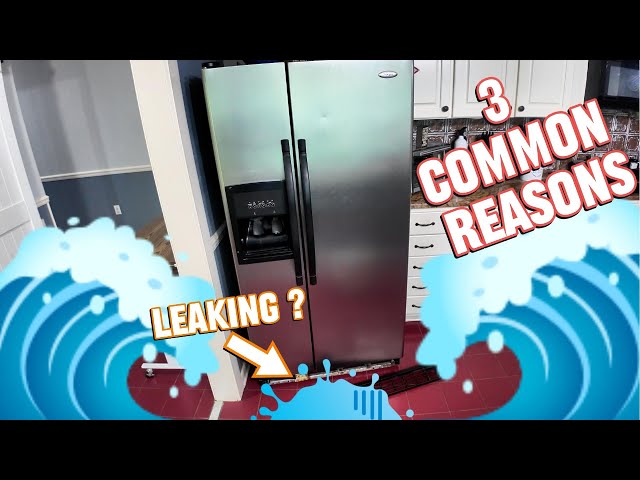
Discovering water leaking from your Whirlpool refrigerator can be frustrating and concerning. Not only can it damage your floors, but it also indicates a potential problem with your appliance. This guide will walk you through common causes of refrigerator leaks and provide step-by-step troubleshooting instructions to help you resolve the issue. It’s important to address leaks promptly to prevent further damage and potential mold growth.
Common Causes of Whirlpool Refrigerator Leaking Water
Here are some of the most common reasons why your Whirlpool refrigerator might be leaking:
- Clogged Defrost Drain: This is the most frequent culprit. The defrost drain carries water away from the defrost cycle. When blocked by food particles or ice, water overflows and leaks.
- Frozen Water Line: The water line supplying your refrigerator’s ice maker or water dispenser can freeze, causing it to crack and leak when it thaws.
- Loose or Damaged Water Line Connection: Connections to the water line, both at the refrigerator and the water supply, can loosen or become damaged, leading to leaks.
- Cracked or Damaged Water Filter Housing: The housing that holds the water filter can crack due to age or pressure, resulting in a leak.
- Faulty Water Inlet Valve: This valve controls the flow of water to the ice maker and water dispenser. If it’s cracked or malfunctioning, it can leak.
- Defrost System Malfunction: If the defrost system isn’t working correctly, ice can build up excessively, leading to melting and overflowing water.
- Damaged Drain Pan: The drain pan underneath the refrigerator collects water from the defrost cycle. If it’s cracked, water will leak.
- Door Seal Problems: A worn or damaged door seal can allow warm air to enter the refrigerator, causing condensation that can lead to leaks.
Symptoms Checklist
Use this checklist to help pinpoint the source of the leak:
- Puddle of water in front of the refrigerator
- Water leaking from inside the refrigerator
- Water leaking from underneath the refrigerator
- Ice buildup in the freezer
- Unusual noises coming from the refrigerator
- Reduced ice production
- Water dispenser not working properly
How to Fix Whirlpool Refrigerator Leaking Water Step-by-Step Guide
- Safety First: Unplug your refrigerator from the power outlet before starting any troubleshooting.
- Locate the Source: Carefully examine the area where you see the water. Look inside the refrigerator, underneath it, and behind it to identify the origin of the leak.
- Check the Defrost Drain: This is usually located at the back of the freezer compartment, often near the bottom. Look for a small opening.
- Clear the Defrost Drain: Use a turkey baster filled with warm water to flush the drain. You can also use a long, flexible object like a pipe cleaner or a straightened coat hanger to gently dislodge any blockage.
- Inspect the Water Line: Check the water line running to your refrigerator for any kinks, cracks, or loose connections.
- Tighten Water Line Connections: If you find any loose connections, carefully tighten them. Use a wrench if needed, but avoid overtightening.
- Examine the Water Filter Housing: Check the water filter housing for cracks or damage. Make sure the filter is properly installed and secured.
- Check the Drain Pan: Locate the drain pan under the refrigerator. Remove it (usually by sliding it out) and check for cracks or overflowing water.
- Clean the Drain Pan: If the drain pan is full, empty it. Clean it with soap and water to prevent mold growth.
- Inspect the Door Seal: Examine the door seals (gaskets) around the refrigerator and freezer doors. Look for any tears, cracks, or gaps.
- Clean the Door Seals: Clean the door seals with a damp cloth to remove any debris that might be preventing a proper seal.
- Defrost the Refrigerator: If ice buildup is suspected, manually defrost the refrigerator by unplugging it and leaving the doors open for several hours. Place towels inside to absorb melting ice.
- Reassemble and Test: Once you’ve addressed the potential causes, plug the refrigerator back in and monitor it for leaks.
- Observe for a Few Days: Keep an eye on the refrigerator over the next few days to ensure the leak is resolved.
Fix the Issue Without Buying Parts
Often, you can resolve a refrigerator leak without replacing any parts:
- Reset: Unplug your refrigerator for 10-15 minutes and then plug it back in. This can sometimes reset the defrost system.
- Cleaning: Regularly clean the interior of your refrigerator to prevent food particles from clogging the defrost drain.
- Inspection Tips: Routinely inspect the water lines and connections for any signs of wear or damage.
- Maintenance Basics: Replace your water filter every six months to prevent pressure buildup and potential leaks.
When Replacement Might Be Necessary
In some cases, component replacement is inevitable. The following issues typically require part replacement. The Defrost heater failing, leading to excess ice build-up. Water inlet valve malfunctions causing water leakage even when not in use, can cost $50-$150. A severely cracked or damaged drain pan may require replacement ($30-$70). A damaged water filter housing should be replaced if it cannot be sealed ($20-$60). Finally, if the water line has irreparable cracks, it should be replaced ($10-$30).
Safety Warning
- Always unplug the refrigerator before performing any troubleshooting.
- Avoid standing water to prevent electrical shock.
- Be careful when handling tools to avoid injury.
- If you’re uncomfortable with any of these steps, consult a qualified appliance repair technician.
Tools You May Need
- Screwdrivers (Phillips and flathead)
- Wrench (for tightening water line connections)
- Turkey baster or syringe
- Pipe cleaner or coat hanger
- Towels
- Bucket
FAQ
Q: Why is my refrigerator leaking even after I cleared the drain?
A: There might be a hidden blockage further down the drain line or a faulty water inlet valve. Re-check the drain and examine the water inlet valve for leaks.
Q: How often should I clean the defrost drain?
A: It’s recommended to clean the defrost drain at least twice a year, or more frequently if you notice ice buildup.
Q: Can a dirty condenser coil cause leaks?
A: While a dirty condenser coil primarily affects cooling efficiency, it can indirectly contribute to condensation and potentially minor leaks. Clean the coils every six months.
Q: Is it safe to drink water from my refrigerator if it’s leaking?
A: It’s not recommended to drink water from a leaking refrigerator, as the leak could introduce contaminants into the water supply.
Conclusion
Troubleshooting a Whirlpool refrigerator leak can seem daunting, but by following these steps, you can often diagnose and resolve the problem yourself. Remember to prioritize safety and be patient as you work through the process. If you’ve tried these steps and the leak persists, it might be time to consult a qualified appliance repair technician. Attempting DIY repair first can save time and money, but professional help is always available when needed.
Youtube Video:
Looking for more useful options?
Check out recommended resources that others find helpful.