Introduction
Is your refrigerator suddenly making strange noises, like buzzing, rattling, or clicking? These sounds can be alarming, especially if they seem to be coming from the compressor. The compressor is the heart of your fridge, responsible for keeping your food cold. Unusual noises often indicate a problem that, if left unaddressed, could lead to your fridge failing entirely. Addressing these noises promptly can save you from costly repairs or even the need to replace your entire refrigerator. It’s important to investigate the source of the noise as soon as you hear it, before it potentially escalates into a more serious issue.
Common Causes of fridge compressor noise fix
Here are some of the most common reasons why your fridge compressor might be making noise:
- Loose Compressor Mounts: The compressor is mounted on the fridge’s frame. If these mounts become loose, the compressor can vibrate excessively, creating a rattling noise.
- Dirty Condenser Coils: Dust and debris on the condenser coils can cause the compressor to work harder, leading to increased noise and potential overheating.
- Faulty Start Relay: The start relay helps the compressor kick on. A failing relay can cause clicking or buzzing sounds.
- Worn-Out Compressor Motor: Over time, the motor inside the compressor can wear out, leading to unusual noises and reduced efficiency.
- Refrigerant Leaks: Low refrigerant levels can cause the compressor to run continuously and noisily.
- Blocked or Dirty Fan Blades: The condenser fan and evaporator fan (if your fridge has one) help circulate air. If the blades are dirty or blocked, they can create buzzing or rattling sounds.
- Ice Buildup: Excessive ice buildup around the evaporator fan can cause it to scrape or make other unusual noises.
- Foreign Objects: Sometimes, objects like cans or utensils can fall behind or under the fridge and vibrate against the compressor.
Symptoms Checklist
Here are some symptoms that can help you identify a noisy fridge compressor:
- Unusual buzzing, rattling, clicking, or grinding sounds coming from the back or bottom of the fridge.
- The fridge is not cooling as efficiently as it used to.
- The compressor runs constantly or cycles on and off more frequently than normal.
- The back of the fridge feels unusually hot.
- The noise is louder when the compressor is running.
How to Fix fridge compressor noise fix Step-by-Step Guide
Follow these steps to troubleshoot and potentially fix the noise issue:
- Unplug the Refrigerator: For safety, always unplug the refrigerator before starting any repairs.
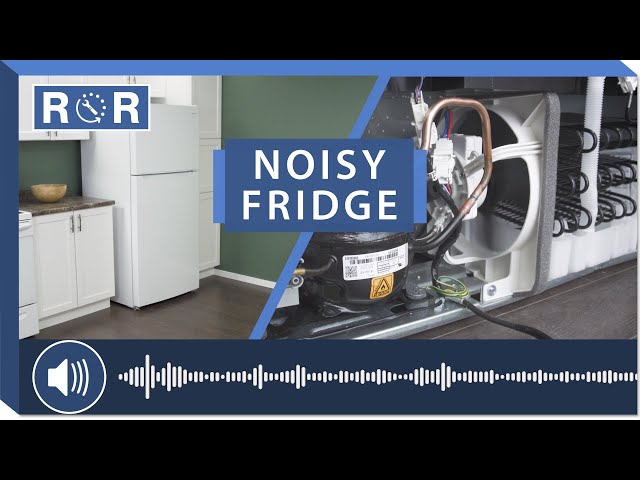
- Locate the Compressor: The compressor is usually located at the back of the fridge, near the bottom. It’s a black, cylindrical or oval-shaped unit.
- Inspect Compressor Mounts: Check if the compressor is securely mounted. Tighten any loose screws or bolts. Use rubber washers to dampen vibration if needed.
- Clean Condenser Coils: Use a vacuum cleaner with a brush attachment to clean the condenser coils. This will improve airflow and reduce the load on the compressor.
- Check the Start Relay: The start relay is a small component attached to the compressor. Carefully remove it and inspect for any signs of burning or damage. (Note: This requires basic electrical knowledge. If you’re not comfortable, skip this step.)
- Inspect the Condenser Fan: Locate the condenser fan (usually near the compressor) and check for any obstructions or damage. Clean the fan blades and ensure they spin freely.
- Check the Evaporator Fan: Open the freezer compartment and locate the evaporator fan. Check for ice buildup or obstructions. If there’s ice, defrost the fridge.
- Listen Closely: With the back panel removed (after unplugging!), carefully plug in the fridge for a brief test (do not touch any wires). Listen closely to the compressor and try to pinpoint the exact source of the noise. Unplug immediately after testing.
- Check for Foreign Objects: Make sure there are no objects behind or under the fridge that could be vibrating against the compressor.
- Level the Refrigerator: An uneven refrigerator can cause the compressor to work harder and make more noise. Use a level to ensure the fridge is properly balanced. Adjust the leveling feet as needed.
- Defrost the Fridge: Manually defrost your fridge, especially if you suspect ice buildup is contributing to the noise. Unplug the fridge and leave the door open until all the ice melts.
- Listen for Refrigerant Leaks: If you suspect a refrigerant leak (hissing sound), it’s best to call a qualified technician. Handling refrigerant requires specialized equipment and knowledge.
Fix the Issue Without Buying Parts
Often, you can resolve the compressor noise without purchasing new parts. Regular cleaning of the condenser coils, ensuring proper ventilation around the fridge, and making sure the fridge is level can significantly reduce noise. Resetting the fridge by unplugging it for 30 minutes can sometimes resolve minor electrical glitches that cause the compressor to run noisily. Inspecting the fan blades for obstructions and cleaning them is another simple maintenance step that can make a big difference.
When Replacement Might Be Necessary
If the compressor noise persists after trying all the troubleshooting steps, or if you suspect a major issue like a worn-out motor or refrigerant leak, replacing the compressor might be necessary. Replacing a compressor is a complex repair best left to a qualified technician. The cost can range from $300 to $700 USD, depending on the model and the labor involved. Parts that commonly fail include the start relay, overload protector, and the compressor itself.
Safety Warning
Please heed these safety precautions:
- Always unplug the refrigerator before performing any repairs.
- Avoid touching any electrical components with wet hands.
- If you are not comfortable working with electrical appliances, consult a qualified technician.
- Be careful when handling sharp tools or components.
- Work in a well-ventilated area.
Tools You May Need
Here’s a list of tools that might be useful for troubleshooting:
- Screwdrivers (Phillips and flathead)
- Vacuum cleaner with brush attachment
- Adjustable wrench
- Level
- Gloves
- Flashlight
FAQ
Here are some frequently asked questions about fridge compressor noise:
Q: Why is my fridge compressor so loud all of a sudden?
A: Sudden loud noises can be caused by loose compressor mounts, dirty condenser coils, or a failing start relay.
Q: Is it normal for a fridge compressor to make some noise?
A: Yes, some noise is normal, but excessive buzzing, rattling, or grinding sounds are not.
Q: How do I know if my fridge compressor is failing?
A: Signs of a failing compressor include loud noises, inefficient cooling, and frequent cycling on and off.
Q: Can I replace the fridge compressor myself?
A: Replacing a compressor is a complex repair that requires specialized knowledge and tools. It’s generally best to hire a qualified technician.
Conclusion
Dealing with a noisy fridge compressor can be frustrating, but many issues can be resolved with simple troubleshooting and maintenance. By following the steps outlined in this guide, you can often identify and fix the problem yourself, saving you time and money. However, if the noise persists or you’re not comfortable performing the repairs, don’t hesitate to call a qualified technician. Remember, addressing the issue early can prevent more serious problems down the road and keep your fridge running smoothly.
Youtube Video:
Looking for more useful options?
Check out recommended resources that others find helpful.