Introduction
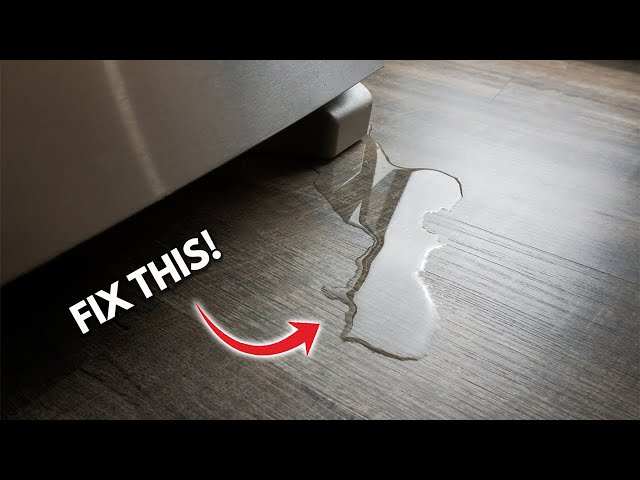
Discovering that your fridge is leaking can be a frustrating experience. Not only can it cause water damage to your floors, but it can also lead to increased humidity and potential mold growth. A leaking fridge can also indicate a more serious underlying issue that, if left unchecked, could lead to costly repairs or even food spoilage. Identifying and addressing the cause of the leak promptly is crucial to protect your home and ensure your refrigerator continues to function properly. Don’t ignore the puddle let’s get to the bottom of this!
Common Causes of My Fridge is Leaking
Here are some of the most frequent reasons why your fridge might be leaking:
- Clogged Defrost Drain: This is the most common culprit. The defrost drain carries water away from the freezer during the defrost cycle. When it gets clogged with food particles or ice, the water overflows.
- Frozen Water Line: If your fridge has an ice maker or water dispenser, the water line can freeze, causing a leak when it thaws.
- Faulty Water Inlet Valve: This valve controls the water supply to the ice maker and water dispenser. A malfunctioning valve can leak.
- Cracked or Loose Water Line: The plastic water lines can become brittle over time and crack, or the connections can loosen, leading to leaks.
- Leaky Drain Pan: The drain pan, located at the bottom of the fridge, collects water from the defrost cycle. A cracked or overflowing pan will cause a leak.
- Door Seal Issues: A damaged or dirty door seal can allow warm air to enter the fridge, causing condensation and potential leaks.
- High Humidity: In humid environments, condensation can form inside the fridge and drip down, creating the appearance of a leak.
- Overfilled Ice Maker: An ice maker that’s producing too much ice can sometimes overflow and cause a leak.
Symptoms Checklist
Look for these signs to confirm the source of the leak:
- Puddle of water on the floor in front of the fridge.
- Water accumulating inside the fridge, particularly at the bottom.
- Ice buildup inside the freezer.
- Visible cracks or damage to water lines.
- Water dripping from the ice maker or water dispenser.
- Unusual noises coming from the fridge.
How to Fix My Fridge is Leaking Step-by-Step Guide
Follow these steps to troubleshoot and fix your leaking fridge:
- Unplug the Refrigerator: For safety, always disconnect the power before attempting any repairs.
- Locate the Defrost Drain: It’s usually located on the back wall of the freezer compartment, often behind a panel.
- Melt Any Ice Buildup: Use a hairdryer (on a low setting) to melt any ice blocking the drain. Be careful not to melt plastic components.
- Clear the Defrost Drain: Use a turkey baster, pipe cleaner, or a thin, flexible wire to clear any debris clogging the drain. You can also use warm water to flush the drain.
- Check the Drain Pan: Locate the drain pan (usually at the bottom of the fridge, behind a kickplate) and inspect it for cracks or overflows. Empty the pan and clean it thoroughly.
- Inspect Water Lines: Check the water lines connected to the fridge (if applicable) for any cracks, kinks, or loose connections. Tighten any loose connections with a wrench.
- Examine the Water Inlet Valve: Look for any signs of leaks around the water inlet valve. If you suspect a faulty valve, you may need to replace it (though we’ll try to avoid that for now).
- Clean the Door Seals: Wipe down the door seals with a damp cloth and mild detergent to remove any dirt or grime that could be preventing a tight seal.
- Adjust the Temperature: Make sure the fridge and freezer temperatures are set correctly. Too cold can cause excessive ice buildup. Recommended settings are typically around 37F (3C) for the fridge and 0F (-18C) for the freezer.
- Check the Level of the Fridge: An unlevel fridge can cause water to pool in certain areas and eventually leak. Use a level to check and adjust the fridge’s feet as needed.
- Monitor for Leaks: After completing these steps, plug the fridge back in and monitor it closely for any further leaks.
- Run a Defrost Cycle: Manually trigger a defrost cycle (refer to your fridge’s manual for instructions) to ensure the defrost system is functioning correctly.
Fix the Issue Without Buying Parts
Here are some free ways to try and fix your leaking fridge:
- Reset: Unplug the fridge for 30 minutes to reset the system. This can sometimes clear minor glitches.
- Cleaning: Regularly clean the inside of your fridge to prevent food particles from clogging the defrost drain.
- Recalibration: Check your fridge’s manual for instructions on how to recalibrate the temperature settings.
- Inspection Tips: Regularly inspect the door seals, water lines, and drain pan for any signs of wear and tear.
- Maintenance Basics: Keep the area around your fridge clean and free of dust and debris to ensure proper ventilation.
When Replacement Might Be Necessary
If you’ve tried all the troubleshooting steps and the leak persists, or if you notice signs of serious damage to components like the water inlet valve, then replacement may be necessary. Replacing a water inlet valve can cost anywhere from $50 to $150, while a new drain pan might cost between $30 and $80. However, consider the age of your refrigerator. If it’s older than 10-15 years, it might be more economical to replace the entire unit, as other components may be nearing the end of their lifespan as well.
Safety Warning
- Always unplug the refrigerator before performing any maintenance or repairs.
- Be careful when handling electrical components and avoid contact with water.
- Wipe up any spills immediately to prevent slips and falls.
- If you’re uncomfortable performing any of these steps, consult a qualified appliance repair technician.
Tools You May Need
- Screwdrivers (Phillips and flathead)
- Wrench
- Turkey baster or pipe cleaner
- Hair dryer
- Damp cloth
- Level
FAQ
Here are some common questions and answers about leaking refrigerators:
-
Q: Why is my fridge leaking after I defrost it?
A: This is likely due to a clogged defrost drain. Make sure to clear the drain after defrosting. -
Q: The leak seems to be coming from the ice maker. What should I do?
A: Check the water line connections to the ice maker for leaks. Also, ensure the ice maker is not overfilling. -
Q: How often should I clean the defrost drain?
A: It’s a good idea to clean the defrost drain every 6 months, or more frequently if you notice a buildup of ice or water. -
Q: Is it safe to use bleach to clean the drain pan?
A: While bleach can be used, it’s best to use a mild detergent or a solution of baking soda and water to avoid damaging the plastic.
Conclusion
Troubleshooting a leaking fridge can seem daunting, but by following these steps, you can often identify and resolve the issue yourself. Remember to prioritize safety and take your time. Before calling a technician, take a shot at fixing the issue yourself, you’ll save money and gain valuable experience. Good luck!
Youtube Video:
Looking for more useful options?
Check out recommended resources that others find helpful.