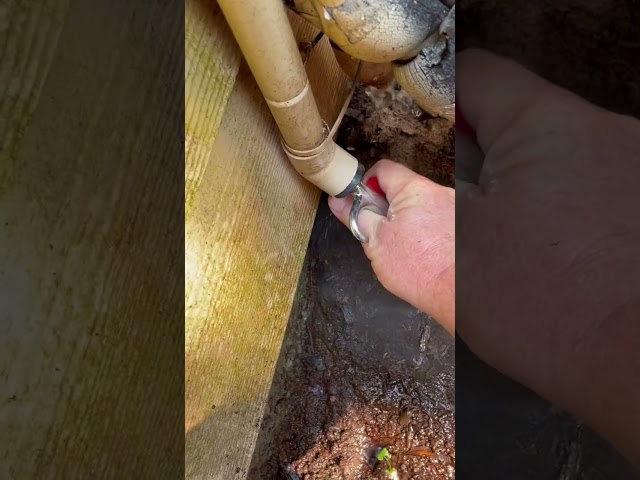
Introduction
An air con pipe leaking is a common problem for homeowners. It means that the refrigerant or condensation from your air conditioning system is escaping instead of being properly contained and directed. This not only reduces the efficiency of your air conditioner, making it work harder and costing you more money on your energy bill, but it can also lead to water damage to your home. Leaks often occur during periods of heavy use, especially in the hot summer months. It’s important to address leaks promptly, as they can worsen over time and lead to more significant and expensive repairs. Acting quickly can save you money and prevent further damage to your property.
Common Causes of air con pipe leaking
Here are some of the most frequent reasons why your air con pipes might be leaking:
- Corrosion: Over time, the metal pipes can corrode due to exposure to moisture and chemicals.
- Loose Connections: The connections between the pipes and the air conditioner unit can become loose, allowing refrigerant or condensation to escape.
- Damage from Impact: Accidental bumps or impacts can cause cracks or punctures in the pipes.
- Freezing Coil: A frozen evaporator coil can cause condensation to overflow and leak from the pipes. This is often caused by restricted airflow.
- Clogged Drain Line: The drain line responsible for removing condensation can become clogged with algae, mold, or debris, causing water to back up and leak.
- Age of the Unit: Older air conditioners are more prone to leaks due to wear and tear on the pipes and connections.
- Improper Installation: If the air conditioner was not installed correctly, the pipes may not be properly sealed, leading to leaks.
- High Humidity: High humidity levels can increase condensation production, potentially overwhelming the drain line and causing leaks.
- Refrigerant Leaks: While technically the “refrigerant pipe” leaking, refrigerant leaks often manifest as oil residue on the pipe connections, signaling a problem.
Symptoms Checklist
Here’s how to identify if you have an air con pipe leaking:
- Visible water or refrigerant dripping from pipes or the unit.
- Pools of water around the indoor or outdoor unit.
- Reduced cooling performance from your air conditioner.
- Unusually high energy bills.
- Musty or moldy odors near the unit.
- Ice forming on the evaporator coil (indoor unit).
- Hissing or bubbling sounds from the unit (could indicate refrigerant leak).
- Oil residue on pipe connections.
How to Fix air con pipe leaking Step-by-Step Guide
Follow these steps to troubleshoot your air con pipe leak:
- Turn Off the Air Conditioner: Before you begin, turn off your air conditioner at the thermostat and the breaker to avoid electrical shock.
- Inspect the Pipes: Visually examine all the pipes connected to your air conditioning unit for any signs of damage, corrosion, or loose connections.
- Check the Drain Line: Locate the drain line (usually a PVC pipe) and check for clogs. You can try to clear it with a wet/dry vacuum or a stiff wire.
- Clean the Drain Pan: The drain pan underneath the indoor unit can accumulate algae and debris. Clean it with a mild detergent and water.
- Tighten Connections: If you find any loose connections, carefully tighten them with a wrench. Be careful not to overtighten and damage the pipes.
- Inspect the Insulation: Check the insulation around the pipes for damage or deterioration. Damaged insulation can lead to condensation and leaks.
- Defrost the Coil (If Iced): If you see ice forming on the evaporator coil, turn off the air conditioner and let the ice melt completely. Ensure adequate airflow by cleaning the air filter.
- Clean the Air Filter: A dirty air filter restricts airflow, which can cause the evaporator coil to freeze. Clean or replace the air filter regularly.
- Check for Refrigerant Leaks: Look for signs of oil residue on pipe connections, which may indicate a refrigerant leak. This often requires professional attention.
- Run the Air Conditioner: After completing the above steps, turn the air conditioner back on and monitor it closely for any further leaks.
- Monitor Condensation: Observe if water is still dripping. If it is, pinpoint the source to determine if you resolved the initial problem.
- Document Findings: Keep a log of what you observed and what steps you took. This will be helpful if you need to call a technician.
Fix the Issue Without Buying Parts
Here are some things you can try before considering replacements:
- Reset the System: Turn off the AC unit, wait 30 minutes, and turn it back on. This can sometimes resolve minor issues.
- Thorough Cleaning: Cleaning the coils and drain line can resolve many issues related to airflow and drainage.
- Inspect and Tighten: Regularly inspect all connections and tighten any that appear loose.
- Proper Maintenance: Regularly change the air filter and schedule annual maintenance to prevent problems before they start.
When Replacement Might Be Necessary
If the leaks persist after troubleshooting, replacement of certain parts might be necessary. Corroded pipes are beyond repair. The drain pan can crack over time and requires replacement. If a refrigerant leak is suspected, a professional will need to repair or replace the leaking component. Estimated costs for these repairs can range from $100 for a drain pan replacement to $300-$800+ for refrigerant leak repairs or pipe replacements, depending on the complexity and location.
Safety Warning
- Always turn off the power to the air conditioner before inspecting or working on it.
- Avoid touching electrical components with wet hands.
- Be careful when working with tools to avoid injury.
- If you are not comfortable working with electrical or mechanical components, consult a qualified HVAC technician.
- Do not attempt to handle refrigerant. It requires specialized tools and training.
Tools You May Need
Here is a list of common tools for this project:
- Screwdrivers (Phillips and flathead)
- Wrench set
- Wet/dry vacuum
- Stiff wire or pipe cleaner
- Mild detergent
- Clean cloths
- Flashlight
- Safety glasses
- Gloves
FAQ
Here are some frequently asked questions:
- Why is my air conditioner leaking even when it’s not running? A clogged drain line can cause water to back up and leak even when the unit is off.
- How often should I clean my air conditioner’s drain line? It’s recommended to clean the drain line at least once a year, or more frequently if you notice signs of clogging.
- Is a refrigerant leak dangerous? Yes, refrigerant leaks can be harmful to the environment and potentially to your health. They should be addressed by a qualified technician.
- Can I use tape to fix a leaking pipe? Tape is only a temporary fix and will not solve the underlying problem. It’s best to address the root cause of the leak.
- My air conditioner is leaking and making a strange noise. What should I do? Turn off the unit immediately and contact a qualified HVAC technician, as this could indicate a serious problem.
- Why does my AC leak more when it’s humid? Higher humidity leads to more condensation, increasing the workload of the drain.
Conclusion
Troubleshooting an air con pipe leak can seem daunting, but with these steps, you can often identify and resolve the issue yourself. Remember to prioritize safety and follow the instructions carefully. If you’ve tried these steps and the leak persists, it’s best to call a qualified HVAC technician for professional assistance. Addressing the problem promptly will save you money and prolong the life of your air conditioning system. Dont hesitate to try these DIY fixes first you might be surprised at how much you can handle!
Youtube Video:
Looking for more useful options?
Check out recommended resources that others find helpful.