Introduction
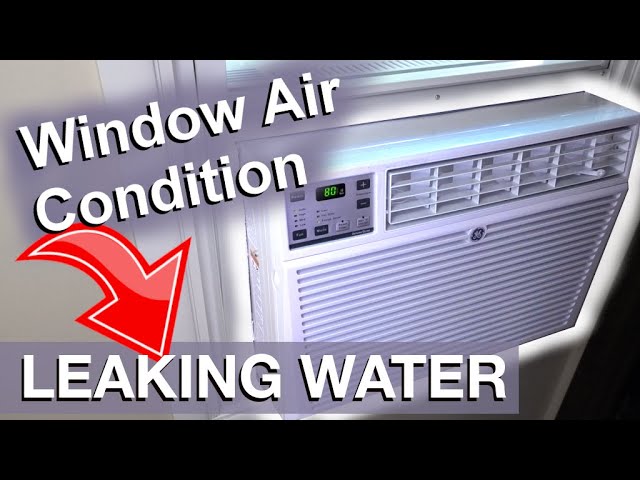
A window air conditioner leaking water inside your home can be a frustrating and potentially damaging problem. It’s often a sign that something isn’t working correctly within the unit, leading to water buildup and eventual leakage. This can cause water stains on your walls and floors, create a breeding ground for mold, and even damage electrical components. Addressing the leak promptly is crucial to prevent further damage and maintain a comfortable living environment. Often, the issue occurs during periods of high humidity or after extended use. Don’t delay fixing this a small leak can quickly turn into a major headache.
Common Causes of Window AC Leaking in House
Here are some of the most frequent reasons why your window AC might be leaking inside:
- Clogged Drain Port: This is the most common culprit. Dust, debris, and even mold can block the drain hole, preventing water from escaping properly.
- Improper Installation Angle: Window ACs are designed to tilt slightly backward, allowing condensation to drain outside. If it’s tilted the wrong way, water will accumulate inside.
- Dirty Air Filter: A clogged air filter restricts airflow, causing the evaporator coil to freeze. When the ice melts, it overwhelms the drainage system.
- Damaged Drain Pan: The drain pan collects condensation. If it’s cracked or rusted, water will leak.
- High Humidity: Extremely humid conditions can produce more condensation than the AC is designed to handle, leading to overflow.
- Frozen Evaporator Coils: As mentioned, restricted airflow due to a dirty filter can cause the evaporator coils to freeze and then leak when thawing.
- Refrigerant Leak: While less common, a refrigerant leak can cause the coils to freeze, leading to water accumulation. This is a more serious issue requiring professional help.
- Damaged or Disconnected Drain Tube: The drain tube can become disconnected or damaged, leading to water leaking inside instead of draining properly.
Symptoms Checklist
Here are some telltale signs that your window AC is leaking:
- Visible water dripping from the front or sides of the unit inside the house.
- Water stains on the wall or floor beneath the AC.
- A musty or moldy odor near the AC.
- Pooling water in the AC’s base or drain pan.
- Ice formation on the cooling fins inside the unit.
- Unusually high humidity levels in the room.
How to Fix Window AC Leaking in House Step-by-Step Guide
Follow these steps to troubleshoot and fix the leak:
- Unplug the AC: Safety first! Disconnect the power cord from the outlet.
- Remove the AC from the Window (Carefully!): Depending on your setup, you might need assistance. Support the unit securely as you detach it from the mounting hardware.
- Inspect the Installation Angle: Ensure the AC is slightly tilted backward, with the outside being lower than the inside. This allows water to drain properly. Adjust the mounting brackets if needed.
- Clean the Air Filter: Remove the air filter and wash it with mild soap and water. Let it dry completely before reinstalling. A clean filter improves airflow and prevents freezing.
- Locate the Drain Port: It’s usually a small hole or opening at the back or bottom of the unit. Refer to your AC’s manual if you’re unsure where it is.
- Clear the Drain Port: Use a straightened paperclip, small wire, or pipe cleaner to gently clear any debris blocking the drain port. Be careful not to push debris further in.
- Inspect the Drain Pan: Look for cracks or signs of rust in the drain pan. If you find any damage, it might need replacement eventually. For now, try to clean the pan thoroughly.
- Check the Drain Tube (if applicable): Some ACs have a drain tube that directs water away from the unit. Ensure it’s properly connected and not kinked or blocked.
- Clean the Evaporator Coils: Use a vacuum cleaner with a brush attachment to gently remove dust and debris from the evaporator coils. Be careful not to damage the fins.
- Reassemble the AC: Once everything is clean and clear, carefully reassemble the AC unit.
- Reinstall the AC in the Window: Ensure it’s securely mounted and properly tilted.
- Plug in the AC: Turn on the AC and monitor it closely for leaks.
- Run the AC for a Few Hours: Observe if the leaking has stopped and if the AC is cooling properly.
- Check the humidity level: Use a hygrometer to determine if the humidity level is under 60%.
Fix the Issue Without Buying Parts
Often, you can resolve the leaking issue with some basic maintenance:
- Regular Cleaning: Clean the air filter every month to prevent dust buildup and freezing.
- Proper Installation: Make sure the AC is correctly installed with the right tilt.
- Drainage Check: Periodically check the drain port to ensure it’s clear of obstructions.
- Reset the AC: Unplug the AC for about 30 minutes, then plug it back in. This can sometimes reset the internal components and resolve minor issues.
- Recalibrate Temperature settings: Make sure the unit is set at a normal temperature and not the lowest possible setting.
When Replacement Might Be Necessary
If the leaking persists despite your troubleshooting efforts, or if you notice the following, replacement might be the best option:
- Extensive Rust or Corrosion: If the drain pan or other components are severely rusted, replacement is often more cost-effective than repair.
- Refrigerant Leak: A refrigerant leak usually requires professional repair, which can be expensive. If the AC is old, replacement might be a better investment.
- Significant Damage: If the unit has suffered physical damage, such as a cracked housing or damaged internal components, replacement might be necessary.
A new window AC can range from $150 to $500 USD, depending on the size and features. Common parts that might fail include the compressor, fan motor, and thermostat.
Safety Warning
- Always unplug the AC before attempting any repairs or cleaning.
- Avoid working on the AC with wet hands or in a damp environment.
- Be careful when handling sharp objects or tools.
- If you’re not comfortable performing the repairs yourself, consult a qualified technician.
- Dry any water spills immediately to prevent slips and falls.
Tools You May Need
- Screwdriver (Phillips and flathead)
- Pliers
- Paperclip or wire
- Vacuum cleaner with brush attachment
- Mild soap and water
- Clean cloths or towels
FAQ
Here are some frequently asked questions about window AC leaks:
-
Q: Why is my AC leaking even after I cleaned the drain port?
A: There might be a blockage deeper within the drain system or a crack in the drain pan. Check the pan carefully. -
Q: Can I use bleach to clean the drain port?
A: It’s best to avoid harsh chemicals like bleach. Mild soap and water are usually sufficient. -
Q: Is it normal for my AC to leak a little bit outside?
A: Yes, it’s normal for some condensation to drip outside, especially in humid conditions. -
Q: How often should I clean my AC filter?
A: Clean the air filter at least once a month, or more often if you live in a dusty environment. -
Q: My AC is still leaking after trying everything, what to do?
A: The evaporator coil might be frozen and blocked. Try to turn off the AC and let it defrost completely (e.g., overnight).
Conclusion
A leaking window AC can be a nuisance, but with a little troubleshooting and maintenance, you can often resolve the issue yourself. By following these steps, you can save money on repairs and keep your AC running efficiently. If you’ve tried these steps and the leaking persists, it might be time to call a qualified technician. Don’t be afraid to tackle the problem yourself first you might be surprised at how easy it is to fix!
Youtube Video:
Looking for more useful options?
Check out recommended resources that others find helpful.