Introduction
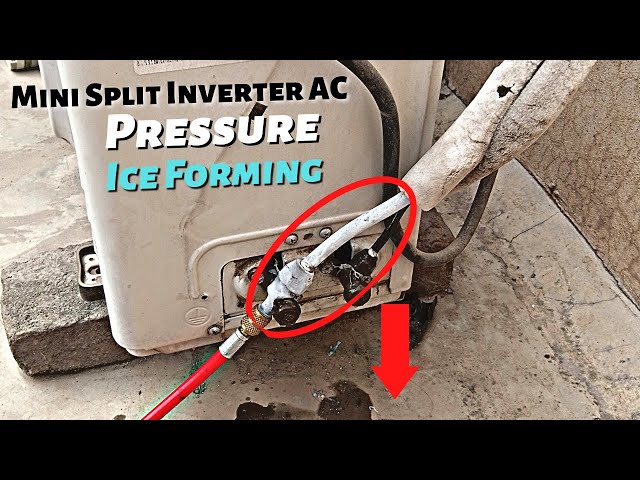
Finding ice forming on your split AC unit can be alarming. The “split AC icing problem” happens when ice builds up on the evaporator coils, usually located inside the indoor unit. This significantly reduces your AC’s cooling capacity and can even damage the system if left unattended. Common situations include extremely humid weather or when the AC is running constantly. Addressing this issue promptly is crucial to prevent further damage and maintain a comfortable home environment. Icing problems can escalate quickly; what starts as a small bit of ice can completely block airflow within a few hours.
Common Causes of Split AC Icing Problem
Several factors can contribute to ice formation on your split AC unit:
- Dirty Air Filter: A clogged air filter restricts airflow, causing the evaporator coils to get too cold.
- Low Refrigerant Levels: Insufficient refrigerant reduces coil temperature, leading to ice formation.
- Restricted Airflow: Blocked vents or closed registers can limit airflow across the coils.
- Dirty Evaporator Coils: Dust and debris on the coils act as insulation, preventing proper heat transfer and causing icing.
- Faulty Blower Motor: A weak or malfunctioning blower motor can’t circulate enough air.
- Blower Fan Blade Debris: Debris on the fan blades reduces airflow across the coils.
- Kinked or Blocked Refrigerant Lines: Restrictions in the refrigerant lines can cause pressure drops and icing.
- Thermostat Problems: A malfunctioning thermostat might cause the AC to run constantly, leading to icing.
Symptoms Checklist
Look for these telltale signs to accurately identify a split AC icing problem:
- Visible ice on the indoor unit’s evaporator coils.
- Reduced or no cool air coming from the vents.
- AC unit running continuously without adequately cooling the room.
- Water leaking from the indoor unit when the ice melts.
- Increased energy bills due to inefficient cooling.
- Strange noises coming from the indoor unit, like rattling or hissing.
How to Fix Split AC Icing Problem Step-by-Step Guide
Follow these steps to troubleshoot and potentially fix the icing problem:
- Turn Off the AC: Immediately switch off your AC unit to allow the ice to melt. This prevents further damage.
- Check the Air Filter: Remove the air filter and inspect it. If it’s dirty, clean or replace it. A clean filter ensures proper airflow.
- Allow the Ice to Melt Completely: Let the unit sit for several hours, or even overnight, to ensure all the ice melts. Use a towel to catch any dripping water.
- Clean the Air Filter (If Reusable): Wash the air filter with mild soap and water. Allow it to dry completely before reinstalling.
- Inspect Vents and Registers: Make sure all vents and registers are open and unobstructed. Good airflow is essential.
- Clear Obstructions: Remove any furniture, curtains, or other objects blocking airflow to the indoor unit.
- Check for Debris on Blower Fan Blades: With the AC off, visually inspect the blower fan blades for dust and debris. Use a soft brush or vacuum cleaner to clean them.
- Run the Fan Only: After the ice has melted and the filter is clean, turn the AC to “Fan Only” mode for a few hours to help dry the coils completely.
- Observe AC Performance: After running the fan, switch back to cooling mode and monitor the AC’s performance. Check if the icing returns.
- Check for Refrigerant Leaks (Visually): Look for oily residue or ice formation around the refrigerant lines, especially where they connect to the unit. This could indicate a leak. (Note: this is a visual inspection only)
- Inspect the Outdoor Unit: Check the outdoor unit for any obstructions, such as leaves or debris, that could restrict airflow.
- Clean the Outdoor Unit Fins: Use a fin comb or a soft brush to gently straighten any bent fins on the outdoor unit.
- Check the Thermostat Settings: Ensure the thermostat is set to a reasonable temperature and is not set too low, which could cause the AC to overwork.
- Cycle the Breaker: Turn off the breaker for the AC unit for 30 seconds, then turn it back on. This can sometimes reset the system.
Fix the Issue Without Buying Parts
Often, the icing problem can be resolved without replacing any parts:
- Regular Cleaning: Maintain a regular cleaning schedule for air filters and vents.
- Proper Ventilation: Ensure adequate ventilation in your home to reduce humidity.
- Strategic Thermostat Use: Avoid setting the thermostat too low, as this can overwork the AC.
- Routine Inspections: Regularly inspect the indoor and outdoor units for any signs of debris or obstructions.
When Replacement Might Be Necessary
If the icing problem persists after trying the troubleshooting steps, or if you suspect a refrigerant leak, the following parts may need replacement:
- Refrigerant: If the system is low on refrigerant due to a leak, it needs to be recharged by a qualified technician. Cost can range from $150-$500 depending on the type and amount of refrigerant.
- Blower Motor: A faulty blower motor may need replacement, costing around $200-$600.
- Thermostat: A malfunctioning thermostat can cause the AC to run constantly and may need replacement, costing between $75-$200.
Safety Warning
- Always turn off the AC unit and disconnect it from the power source before performing any maintenance or repairs.
- Avoid working on electrical components if you are not qualified. Contact a professional technician.
- Be cautious when cleaning the outdoor unit to avoid damaging the fins.
- Do not attempt to handle refrigerant. It is a hazardous substance and should only be handled by trained professionals.
Tools You May Need
- Screwdriver set
- Air filter cleaning solution
- Soft brush or vacuum cleaner
- Fin comb
- Towel
- Flashlight
FAQ
- Q: How often should I clean my air filter? A: At least every 1-3 months, or more frequently if you have pets or allergies.
- Q: Why is ice forming even after I cleaned the filter? A: Other factors, such as low refrigerant or restricted airflow, could be the cause.
- Q: Can I add refrigerant to my AC unit myself? A: No, handling refrigerant requires specialized equipment and training. Contact a qualified technician.
- Q: How do I know if my blower motor is failing? A: Signs include weak airflow, unusual noises, or the motor not running at all.
Conclusion
Addressing a split AC icing problem doesn’t always require expensive repairs. By following these troubleshooting steps, you can often resolve the issue yourself and restore your AC’s cooling performance. Remember to prioritize safety and consult a qualified technician if the problem persists or if you are uncomfortable performing any of the repairs. Keeping your AC clean and maintained can prevent many of these issues in the future. Your efforts can save you money and prevent more expensive damage later. However, don’t hesitate to call a professional if you feel out of your depth.
Youtube Video:
Looking for more useful options?
Check out recommended resources that others find helpful.