
Introduction
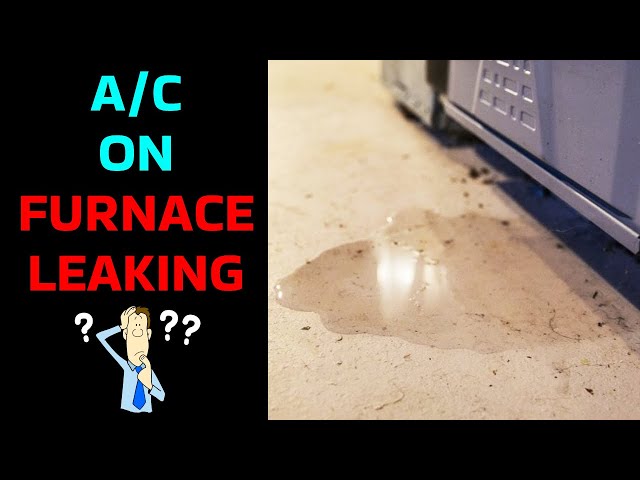
Discovering water leaking from your furnace or air conditioner can be concerning. It’s a sign that something isn’t working as it should, and ignoring it can lead to bigger problems like mold growth, water damage to your home, and even damage to the HVAC system itself. This issue often arises during the peak of summer (when the AC is working hard) or in the winter months when condensation can occur in furnaces. Addressing a water leak quickly is essential to protect your home and heating/cooling system. Explore more in our Air Conditioner Troubleshooting 6 collection.
💡 Technical Key Takeaways:
- Core Focus: Diagnostic schematic and terminal connection layout for Water Leak Furnace Air Conditioner.
- Target Scope: Field technicians, automotive DIYers, and residential/commercial electricians.
- Safety Rule: Always disconnect the primary power source/battery terminal and verify zero voltage with a multimeter before touching wires.
Common Causes of Water Leak Furnace Air Conditioner
- Clogged Condensate Drain Line (AC): This is the most common culprit. Algae, dust, and debris can block the drain line, causing water to back up.
- Dirty Air Filter (AC): A clogged filter restricts airflow, causing the evaporator coil to get too cold and freeze up. When it melts, it creates excessive water.
- Frozen Evaporator Coil (AC): Similar to a dirty filter, low refrigerant or a faulty blower motor can also cause the coil to freeze.
- Low Refrigerant (AC): Low refrigerant levels reduce the coil’s ability to absorb heat efficiently, leading to freezing and melting.
- Cracked or Rusted Condensate Pan (AC): The pan that collects condensation can corrode or crack over time, leading to leaks.
- Improper Installation (AC/Furnace): Incorrectly sloped drain lines or poorly sealed connections can cause leaks from the start.
- Blocked Chimney or Vent (Furnace): If exhaust gases can’t escape properly, condensation can form inside the furnace and drip down.
- High-Efficiency Furnace Condensation (Furnace): High-efficiency furnaces are designed to condense water as part of their operation, but a problem with the condensate drain can cause leaks.
- Leaking Humidifier (Furnace): If your furnace has a humidifier, a faulty connection or damaged component can leak water.
Symptoms Checklist
- Water pooling around the furnace or air conditioner.
- Dripping or running water sounds coming from the unit.
- Visible ice buildup on the air conditioner’s evaporator coil.
- Musty or moldy odors near the HVAC system.
- Water stains on the ceiling or walls near the unit.
- The air conditioner is not cooling as effectively as usual.
- The furnace is making unusual noises.
How to Fix Water Leak Furnace Air Conditioner Step-by-Step Guide
- Turn off the Power: Before inspecting anything, turn off the power to the furnace or air conditioner at the breaker.
- Locate the Condensate Drain Line (AC): This is usually a PVC pipe running from the indoor unit to a drain.
- Check for Obvious Clogs (AC): Visually inspect the drain line for any visible blockages.
- Clear the Condensate Drain Line (AC): Use a wet/dry vacuum to suck out any clogs from the drain line. Attach the hose to the drain line opening and create a tight seal. You can also try using a stiff wire or a pipe cleaner to dislodge any debris.
- Flush the Drain Line (AC): Pour a cup of distilled white vinegar down the drain line to help dissolve any remaining buildup. Let it sit for 30 minutes, then flush with water.
- Inspect the Condensate Pan (AC): Check the pan beneath the indoor unit for cracks or rust. If found, clean and dry the area.
- Check the Air Filter (AC): Remove and inspect the air filter. If it’s dirty, replace it with a new one.
- Thaw a Frozen Evaporator Coil (AC): If you suspect a frozen coil, turn off the AC and turn the fan to “on” to help it thaw. This could take several hours.
- Inspect Furnace Vents (Furnace): Check the furnace’s venting system for any blockages. Clear away any debris or obstructions.
- Inspect Humidifier (Furnace): If your furnace has a humidifier, inspect the connection points and hoses for leaks. Tighten any loose fittings.
- Dry the Area: Use towels to thoroughly dry any water around the unit to prevent mold growth.
- Turn the Power Back On: Once you’ve completed the checks and cleaning, turn the power back on at the breaker.
- Monitor the System: Run the AC or furnace and carefully monitor for any further leaks.
Fix the Issue Without Buying Parts
Often, a water leak can be resolved without replacing parts. Here are a few things to try:
- Regular Filter Changes: Change your air filter every 1-3 months to prevent airflow issues.
- Routine Drain Line Cleaning: Periodically flush the condensate drain line with vinegar to prevent clogs.
- Inspect Venting System: Ensure clear furnace venting.
- Check Condensate Pan: Regular cleaning & inspection of the drain pain.
When Replacement Might Be Necessary
In some cases, replacement might be necessary. A cracked condensate pan is a common culprit, with replacement costing $50-$200. For air conditioners, if you consistently have low refrigerant after recharging, there is an underlying major problem or leak; further evaluation by a technician is required. Furnaces can suffer from corroded heat exchangers, which are expensive to replace ($800-$2000). If your system is old and requires frequent repairs, consider a full unit replacement (AC: $3000-$7000, Furnace: $2500-$6000). For more related activities, check out our Window Type Aircon Water Leak.
Safety Warning
- Always turn off the power to the unit before performing any maintenance.
- Avoid contact with electrical components and wiring.
- Be careful when working with water near electrical outlets.
- If you are not comfortable with any of these steps, contact a qualified HVAC technician.
- Never attempt to repair the refrigerant lines on an air conditioner. This requires specialized equipment and knowledge.
Tools You May Need
- Wet/Dry Vacuum
- Screwdriver
- Pliers
- Distilled White Vinegar
- New Air Filter
- Towels
- Flashlight
FAQ
- Why is my AC leaking even after I cleaned the drain line? There could be a crack in the condensate pan or a frozen evaporator coil.
- How often should I clean my AC drain line? It’s recommended to clean it at least once a year, or more frequently if you notice signs of a clog.
- Can low refrigerant cause a water leak? Yes, it can cause the evaporator coil to freeze, leading to water leaks when it thaws.
- Is it dangerous to have a water leak from my furnace or AC? Yes, it can lead to water damage, mold growth, and potential damage to the unit itself.
Conclusion
Troubleshooting a water leak from your furnace or air conditioner can seem daunting, but by following these steps, you can often identify and fix the problem yourself. Remember to prioritize safety and take your time. If you’re uncomfortable with any of the steps or the problem persists, don’t hesitate to call a qualified HVAC technician. Addressing the problem promptly will save you money and protect your home in the long run. Discover more free resources across our collection library.
Youtube Video:
Quick Wiring Specifications & Terminal Guide
| Component / Circuit | Standard Wire Gauge | Recommended Protection |
|---|---|---|
| Control & Trigger Signals | 18 – 20 AWG | 5A – 7.5A Inline Fuse |
| Standard Auxiliary Load | 14 – 16 AWG | 15A – 20A Circuit Breaker |
| Main Power Feed / Supply | 10 – 12 AWG | 30A – 40A Heavy-Duty Relay |
