Introduction
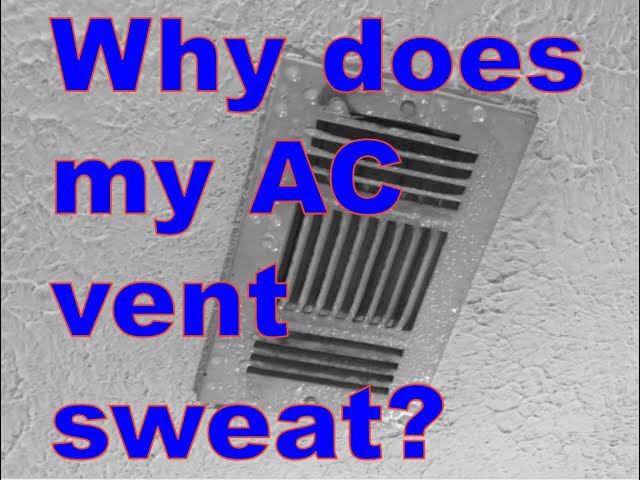
Finding water leaking out of your AC vent can be alarming. It’s not just a minor inconvenience; it’s a sign that something isn’t working right with your air conditioning system. This leak can cause water damage to your ceiling and walls, leading to mold growth and costly repairs. It often happens during periods of high humidity or when the AC is running constantly. Addressing the issue promptly is crucial to prevent further damage and ensure your AC continues to function efficiently.
Common Causes of Water Leaking Out of AC Vent
Several factors can contribute to water leaking from your AC vents. Here are some of the most common causes:
- Clogged Condensate Drain Line: This is the most frequent culprit. The drain line removes condensation from the AC unit, and if it’s blocked, water will back up and leak.
- Dirty Air Filter: A dirty filter restricts airflow, causing the evaporator coil to freeze. When the ice melts, the excess water can overwhelm the drain pan.
- Frozen Evaporator Coil: Similar to a dirty filter, low refrigerant levels or a faulty blower motor can also cause the coil to freeze.
- Cracked or Rusted Drain Pan: Over time, the drain pan can corrode or crack, leading to leaks.
- Improper AC Installation: If the AC unit wasn’t installed correctly, the drain line might not be properly sloped, preventing proper drainage.
- High Humidity: Extremely humid conditions can create more condensation than the system is designed to handle.
- Refrigerant Leak: Low refrigerant can cause the evaporator coil to freeze, resulting in water leakage when it melts.
- Disconnected or Damaged Drain Line: The drain line itself might be loose, cracked, or disconnected, causing water to drip.
Symptoms Checklist
To accurately diagnose the problem, check for the following symptoms:
- Water dripping from the AC vent.
- Water stains on your ceiling or walls near the vent.
- A musty or moldy odor in the room.
- The AC unit is running constantly or not cooling effectively.
- Ice forming on the AC unit or refrigerant lines.
- Visible signs of blockage in the condensate drain line.
How to Fix Water Leaking Out of AC Vent Step-by-Step Guide
Follow these steps to troubleshoot and fix the water leak:
- Turn Off the AC: Switch off your air conditioning system to prevent further water damage and electrical hazards.
- Locate the Condensate Drain Line: This is usually a PVC pipe located near the indoor AC unit, often leading outside or to a drain.
- Check for Obstructions: Inspect the drain line opening for any visible debris, such as algae, mold, or insects.
- Flush the Drain Line: Use a wet/dry vacuum to clear the drain line. Attach the vacuum hose to the drain line opening and seal it as best you can. Run the vacuum for a few minutes to suck out any clogs. Alternatively, you can use a garden hose to flush the line with water.
- Pour Vinegar into the Drain Line: Pour a cup of white vinegar into the drain line every few months to prevent algae and mold buildup.
- Inspect the Air Filter: Check the air filter and replace it if it’s dirty. A clean filter improves airflow and prevents the evaporator coil from freezing.
- Check the Drain Pan: Examine the drain pan for cracks or rust. If you find any damage, try temporarily patching it with waterproof tape, but replacement may be necessary.
- Thaw a Frozen Evaporator Coil: If you suspect a frozen coil, turn off the AC and turn on the fan only. This will help melt the ice. It may take several hours.
- Ensure Proper Insulation: Check that the refrigerant lines are properly insulated to prevent condensation. Replace any damaged or missing insulation.
- Check the AC Unit’s Level: Ensure the indoor AC unit is level. If it’s tilted, water may not drain properly into the drain pan.
- Monitor the AC Unit: After completing these steps, turn the AC back on and monitor it for further leaks.
- Check around the exterior drain exit: Clear away any leaves, debris, or grass that could be causing a backup at the drain’s exit point.
Fix the Issue Without Buying Parts
Many times, you can fix the leak without replacing any parts:
- Regular Cleaning: Regularly clean or replace your air filter.
- Vinegar Flush: Flush the condensate drain line with vinegar monthly.
- Visual Inspection: Routinely inspect the drain pan and drain line for any signs of damage.
- AC Restart: Sometimes, simply turning the AC off for a few hours can allow a frozen coil to thaw and resolve the issue.
When Replacement Might Be Necessary
If the drain pan is severely cracked or rusted, or if the evaporator coil is damaged beyond repair, replacement might be necessary. A new drain pan typically costs between $50 and $200, while evaporator coil replacement can range from $500 to $2000, including labor. A professional should assess the condition of these parts. The condensate pump (if present) may also fail, costing $100-$300 to replace.
Safety Warning
- Always turn off the AC breaker before working on the unit.
- Be careful when handling electrical components.
- Avoid letting water accumulate on the floor to prevent slips and falls.
- If you are uncomfortable with any of these steps, call a qualified HVAC technician.
Tools You May Need
Here’s a list of tools that may be helpful:
- Wet/dry vacuum
- Garden hose
- Screwdriver
- Pliers
- Waterproof tape
- White vinegar
- New air filter
FAQ
Here are some frequently asked questions about AC leaks:
- Q: Why is my AC leaking even after cleaning the drain line? A: There could be a crack in the drain pan or a frozen evaporator coil. Check these components.
- Q: How often should I clean my AC drain line? A: It’s recommended to clean it at least twice a year, or more often if you notice signs of blockage.
- Q: Can I use bleach to clean the drain line? A: While bleach can kill bacteria, it can also corrode metal components. Vinegar is a safer alternative.
- Q: What if my AC is still leaking after trying all these steps? A: It’s best to call a qualified HVAC technician for professional diagnosis and repair.
- Q: What is a condensate pump and do I need one? A: A condensate pump removes water that accumulates in the AC’s condensate pan and pumps it to a drain location. Some homes require one if the drain is in a hard to reach place.
- Q: Can I fix the refrigerant leak myself? A: No. Refrigerant leaks require specialized equipment and expertise, and it’s illegal to handle refrigerants without proper certification.
Conclusion
Finding water leaking out of your AC vent can be frustrating, but with this guide, you can tackle many of the common causes yourself. By following these steps, you can often resolve the issue without incurring significant costs. However, if you’re uncomfortable with any of the steps or if the problem persists, don’t hesitate to call a qualified HVAC technician. Taking action promptly can prevent further damage and keep your AC running smoothly.
Youtube Video:
Looking for more useful options?
Check out recommended resources that others find helpful.