Introduction
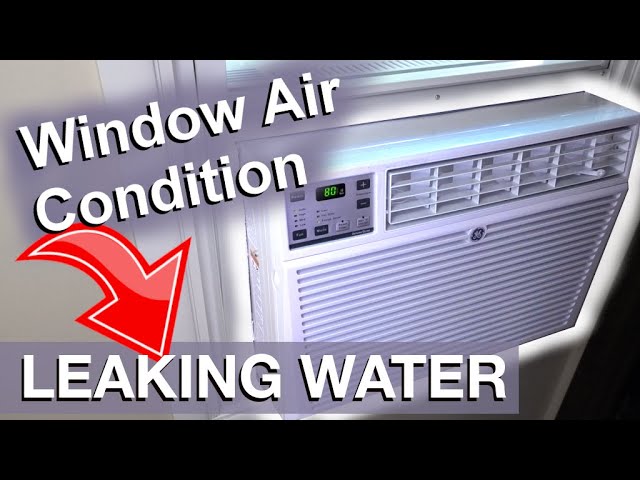
Discovering water leaking from your window air conditioner during or after a rainstorm is a common problem. This usually indicates that water is entering the unit from outside instead of being properly drained. While it might seem alarming, it’s often a manageable issue. Addressing the leak promptly is important to prevent potential water damage to your walls, floors, and the AC unit itself. It can also lead to mold growth, which poses a health risk. Don’t panic; this guide will walk you through troubleshooting steps you can take before calling a professional.
Common Causes of Window AC Leaks When It Rains
Several factors can contribute to a window AC leaking during rain. Here are some common culprits:
- Improper Installation Angle: AC units need a slight downward tilt towards the outside to allow condensation to drain properly. If the unit is level or tilted inwards, rainwater can pool inside.
- Damaged Window Seal: The seal between the AC unit and the window frame might be cracked, worn, or improperly installed, allowing rainwater to seep in.
- Clogged Drainpipe: The drainpipe, designed to expel condensation, can become blocked with debris, dirt, or mold, causing water to back up and leak inside.
- Cracks or Gaps in the AC Housing: Over time, the AC unit’s casing can develop cracks or gaps, providing entry points for rainwater.
- Damaged or Missing Weather Stripping: The weather stripping around the window frame might be damaged or missing, allowing rainwater to enter.
- Dirty Air Filter: A severely clogged air filter restricts airflow, causing the evaporator coil to freeze. When the ice melts, the excess water can overwhelm the drainage system and leak.
- Loose Mounting Hardware: If the mounting brackets are loose, the unit might shift, creating gaps for water to enter.
- Excessive Rainfall: In rare cases, exceptionally heavy rainfall combined with other minor issues can overwhelm the unit’s ability to drain water effectively.
Symptoms Checklist
Here are some indicators that your window AC is leaking due to rain:
- Water dripping from the front of the AC unit (inside the room).
- Water running down the outside of the wall below the AC unit.
- Damp or wet spots around the window frame near the AC unit.
- A musty or moldy odor emanating from the AC unit or surrounding area.
- Visible water accumulation inside the AC unit after a rainstorm.
How to Fix Window AC Leaks When It Rains Step-by-Step Guide
Follow these steps to diagnose and address the leak:
- Safety First: Turn off the AC unit and unplug it from the power outlet. This is crucial for your safety.
- Inspect the Installation Angle: Use a level to check if the AC unit is tilted slightly downwards towards the outside. If it’s level or tilted inwards, gently shim the back of the unit to create the correct angle. Use wood shims or sturdy cardboard.
- Examine the Window Seal: Carefully inspect the seal between the AC unit and the window frame. Look for cracks, gaps, or areas where the seal is loose.
- Address Window Seal Imperfections: Apply weather-resistant sealant (like caulk) to any cracks or gaps in the window seal. Allow the sealant to dry completely according to the manufacturer’s instructions.
- Check the Drainpipe: Locate the drainpipe (usually at the back of the unit, on the outside). Make sure it’s not blocked by dirt, leaves, or other debris.
- Clear the Drainpipe: Use a stiff wire, pipe cleaner, or a small brush to gently clear any blockage in the drainpipe.
- Inspect the AC Housing: Thoroughly examine the AC unit’s casing for any cracks or gaps.
- Seal Housing Cracks: If you find any cracks, seal them with waterproof tape or sealant designed for outdoor use.
- Examine Weather Stripping: Check the weather stripping around the window frame for damage or missing sections.
- Replace Weather Stripping: Replace any damaged or missing weather stripping with new weather stripping from a hardware store.
- Clean the Air Filter: Remove the air filter and clean it thoroughly with soap and water. Allow it to dry completely before reinserting it. A clean filter ensures proper airflow.
- Tighten Mounting Hardware: Check the mounting brackets that secure the AC unit to the window. Tighten any loose screws or bolts.
- Reinstall the AC Unit Securely: Once you’ve addressed all potential issues, carefully reinstall the AC unit, ensuring it’s properly secured and tilted at the correct angle.
- Test the Unit After Rain: Wait for the next rainstorm and observe the AC unit for any leaks. If the problem persists, proceed to the next steps.
Fix the Issue Without Buying Parts
Many times, you can resolve the leaking issue without spending any money:
- Resetting: Sometimes, simply unplugging the AC unit for 15 minutes can reset its internal mechanisms.
- Thorough Cleaning: Dust and debris can accumulate inside the unit. Use a vacuum cleaner with a brush attachment to clean the interior of the AC unit (after unplugging it, of course!).
- Careful Inspection: Closely examine all seals, hoses, and connections. Even a small dislodged part can cause leakage.
- Regular Maintenance: Clean your air filter monthly. This prevents ice buildup and ensures optimal drainage.
When Replacement Might Be Necessary
If you’ve tried all the troubleshooting steps and the AC unit continues to leak, it might indicate a more serious internal problem. This could include a cracked drain pan, a corroded evaporator coil, or a malfunctioning pump (if your unit has one). At this point, you might consider replacing the unit. Replacement costs for a window AC unit typically range from $150 to $500 USD, depending on the size, features, and brand. Common parts that fail leading to this are the internal drain pan, or the compressor, although if the compressor has failed it is recommended to replace the whole unit.
Safety Warning
- Always unplug the AC unit before performing any maintenance or repairs.
- Avoid working on the AC unit while it’s raining or if the surrounding area is wet.
- Be careful when lifting the AC unit to avoid back injuries. Ask for help if necessary.
- Wear gloves to protect your hands from sharp edges and potential contaminants.
- Ensure the AC unit is securely mounted to prevent it from falling out of the window.
Tools You May Need
- Screwdriver (Phillips and flathead)
- Level
- Caulk or sealant
- Waterproof tape
- Stiff wire or pipe cleaner
- Vacuum cleaner with brush attachment
- Gloves
- Flashlight
FAQ
Here are some frequently asked questions about window AC leaks:
- Q: Why is my AC leaking even when it’s not raining? A: This could be due to condensation buildup from high humidity or a clogged drainpipe.
- Q: Can I use regular tape to seal cracks in the AC housing? A: No, use waterproof tape designed for outdoor use. Regular tape will likely deteriorate quickly.
- Q: How often should I clean my AC’s air filter? A: Clean your air filter monthly, or more often if you have pets or live in a dusty environment.
- Q: Is it dangerous to use a leaking AC unit? A: Yes, a leaking AC unit can pose a safety hazard due to potential electrical shock and water damage. Unplug it immediately and address the issue.
Conclusion
Dealing with a window AC leak during rain can be frustrating, but hopefully, this guide has provided you with the knowledge and steps to troubleshoot the problem effectively. By following these instructions, you can often resolve the issue yourself, saving time and money. However, if you’ve exhausted all options and the leak persists, it’s best to consult with a qualified HVAC technician for professional assistance. Dont hesitate to call a technician if you feel overwhelmed or unsafe performing any of the steps.
Youtube Video:
Looking for more useful options?
Check out recommended resources that others find helpful.