Introduction
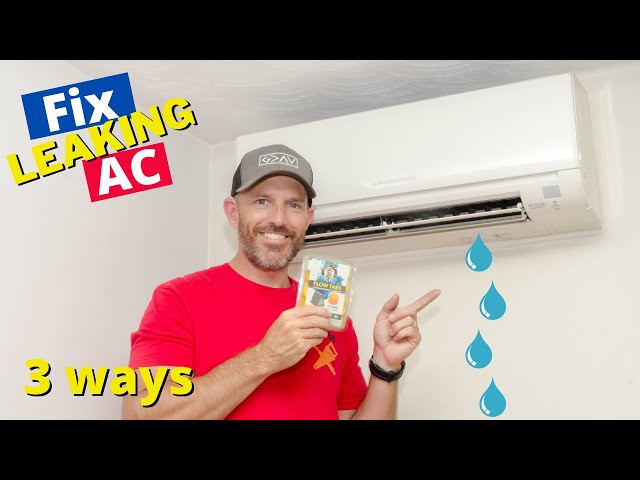
Discovering your Mitsubishi AC unit leaking water can be alarming. Its a common problem that can range from a minor nuisance to a sign of a more serious issue. Leaking water can damage your floors, walls, and furniture if left unaddressed. It often happens during periods of high humidity or heavy AC usage. Addressing the leak promptly is crucial to prevent further damage and ensure your AC unit operates efficiently.
Common Causes of Mitsubishi AC Unit Leaking Water
Here are some of the most common reasons why your Mitsubishi AC unit might be leaking water:
- Clogged Drain Line: This is the most frequent culprit. Algae, mold, and debris can accumulate in the drain line, preventing water from escaping properly.
- Dirty Air Filter: A clogged air filter restricts airflow, causing the evaporator coil to freeze. When the ice melts, it can overwhelm the drain pan.
- Low Refrigerant: Insufficient refrigerant can also lead to a frozen evaporator coil, resulting in water leaks as the ice melts.
- Broken Drain Pan: The drain pan collects condensation. If it’s cracked or damaged, water will leak.
- Improper Installation: An improperly installed AC unit might not be level, causing the drain pan to overflow.
- Condensate Pump Failure (if applicable): Some units use a pump to remove condensate. If this fails, water can back up.
- High Humidity: Excessively humid conditions can overwhelm the drainage system, causing minor leaks.
- Frozen Evaporator Coils: Due to lack of airflow or refrigerant issues, the coils can freeze and melt, causing overflowing.
Symptoms Checklist
Use this checklist to confirm if you have a water leak issue:
- Water dripping from the indoor unit.
- Visible water stains on the wall or ceiling near the unit.
- A musty or moldy smell coming from the unit.
- The AC unit isn’t cooling as effectively as usual.
- Ice formation on the coils inside the unit (visible when you remove the filter).
- Pooling water around the outdoor unit.
How to Fix Mitsubishi AC Unit Leaking Water Step-by-Step Guide
Follow these steps to troubleshoot and potentially fix the leak:
- Turn Off the AC: Before starting any work, turn off the AC unit at the thermostat and breaker for safety.
- Inspect the Air Filter: Remove the air filter and check if it’s dirty. If so, clean or replace it.
- Locate the Drain Line: The drain line is usually a PVC pipe exiting the indoor unit and leading outside.
- Check for Clogs: Inspect the drain line opening outside for any visible clogs.
- Flush the Drain Line: Use a wet/dry vacuum to suck out any clogs from the drain line. Attach the vacuum hose to the end of the drain line outside and create a tight seal.
- Pour Vinegar or Bleach (Carefully): If vacuuming doesn’t work, pour a cup of white vinegar or a diluted bleach solution into the drain line opening inside. Let it sit for 30 minutes, then flush with water.
- Check the Drain Pan: Inspect the drain pan for cracks or damage. If damaged, it might need replacement.
- Ensure Proper Unit Leveling: Use a level to check if the unit is installed level. If not, adjust the mounting to ensure proper drainage.
- Inspect the Evaporator Coils: If you suspect frozen coils, allow the unit to thaw completely (turn off the AC and just run the fan) before restarting.
- Clean the Evaporator Coils: If you can safely access the coils, clean them with a soft brush and coil cleaner.
- Check the Condensate Pump (If Applicable): If your unit has a condensate pump, ensure it’s functioning correctly. Listen for its motor operating.
- Reassemble and Test: After completing the checks and cleaning, reassemble the unit and turn it back on. Monitor for leaks.
- Monitor after Restart: Keep an eye on the unit over the next 24 hours to ensure the leak is resolved.
Fix the Issue Without Buying Parts
Many leaks can be resolved without immediately buying new parts:
- Resetting the Unit: Sometimes simply turning the AC off for a while, then turning it back on, can resolve minor issues.
- Cleaning the Air Filter: Regularly cleaning the air filter is crucial for preventing many problems.
- Recalibration: Some Mitsubishi units can be recalibrated; check your user manual for instructions.
- Regular Inspection: Periodically inspect the drain line and drain pan to catch potential problems early.
- Basic Maintenance: Keep the area around the outdoor unit clear of debris to ensure proper airflow.
When Replacement Might Be Necessary
Sometimes, the leak is a symptom of a larger problem requiring professional help. If the drain pan is severely cracked (expect to pay $50-$200 for parts and labor), the condensate pump has failed ($80-$250), or low refrigerant continues to cause issues ($150-$400+ for recharge and leak check), replacement might be the most cost-effective solution in the long run. Parts like the drain pan, condensate pump, and sometimes the evaporator coil are common failure points.
Safety Warning
- Always turn off the AC unit at the breaker before performing any maintenance.
- Avoid working with electricity if you are not comfortable.
- Be cautious when handling cleaning solutions like vinegar or bleach. Wear gloves and eye protection.
- Wipe up any spilled water immediately to prevent slips and falls.
- If you’re unsure about any step, contact a qualified technician.
Tools You May Need
- Screwdriver (Phillips and flathead)
- Wet/dry vacuum
- Level
- Bucket
- White vinegar or diluted bleach
- Soft brush
- Gloves and eye protection
FAQ
Here are some frequently asked questions about AC unit leaks:
- Q: Why is my AC leaking even after I cleaned the filter? A: There might be a clog in the drain line or a problem with the refrigerant level.
- Q: How often should I clean my AC filter? A: At least once a month, or more frequently if you have pets or allergies.
- Q: Can low refrigerant cause a water leak? A: Yes, low refrigerant can cause the evaporator coil to freeze, leading to water leaks when it melts.
- Q: What should I do if I can’t find the drain line? A: Consult your AC unit’s manual or contact a qualified technician.
- Q: Is a small amount of condensation normal? A: A very small amount of condensation can be normal, especially in humid conditions. But steady dripping is not.
Conclusion
A leaking Mitsubishi AC unit can be a frustrating problem, but with these steps, you can often diagnose and fix the issue yourself. Remember to prioritize safety and take your time. If you’re uncomfortable performing any of these steps or if the leak persists, don’t hesitate to call a qualified HVAC technician. They can provide expert diagnosis and repair to keep your AC running smoothly.
Youtube Video:
Looking for more useful options?
Check out recommended resources that others find helpful.