
Introduction
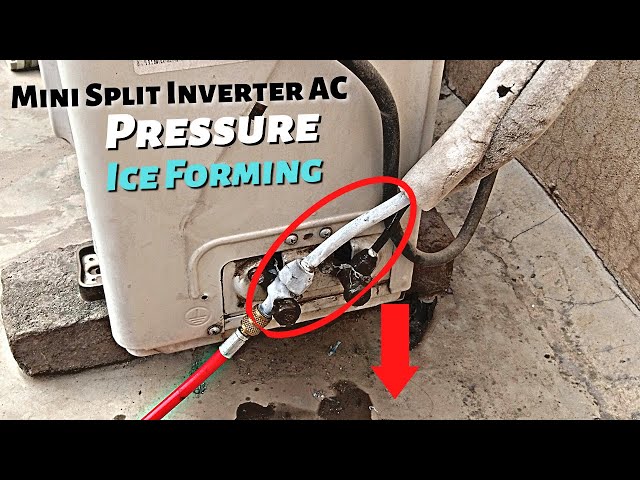
Finding ice forming on your mini-split indoor unit can be alarming. This freezing problem means your system isn’t working efficiently and could eventually lead to damage. It usually happens when the unit is struggling to transfer heat properly. Ignoring it can cause the compressor to fail, leading to costly repairs. Let’s find out why your mini-split is freezing up and how you can fix it before things get worse.
💡 Technical Key Takeaways:
- Core Focus: Diagnostic schematic and terminal connection layout for Mini Split Indoor Unit Freezing Up.
- Target Scope: Field technicians, automotive DIYers, and residential/commercial electricians.
- Safety Rule: Always disconnect the primary power source/battery terminal and verify zero voltage with a multimeter before touching wires.
Common Causes of Mini Split Indoor Unit Freezing Up
Several factors can contribute to a frozen indoor unit. Here are some common reasons:
- Dirty Air Filter: A clogged filter restricts airflow, making the coil too cold and causing ice to form.
- Restricted Airflow: Blocked vents, furniture in front of the unit, or a dirty blower fan can all reduce airflow.
- Low Refrigerant Levels: If refrigerant is low, the system can’t properly absorb heat, leading to freezing.
- Dirty Evaporator Coils: Dirt and dust on the coils act as insulation, preventing efficient heat transfer.
- Faulty Thermistor: The thermistor senses the temperature. If it fails, it can provide incorrect readings, causing the unit to overcool and freeze.
- Blower Motor Issues: A weak or failing blower motor can’t circulate air properly across the coils.
- Kinked or Blocked Refrigerant Lines: Restrictions in the refrigerant lines disrupt the flow and affect performance.
- Outdoor Unit Problems: Issues like a dirty condenser coil or a faulty fan motor on the outdoor unit can affect the indoor unit’s performance.
Symptoms Checklist
Here are some signs that your mini-split indoor unit is freezing up:
- Visible ice formation on the indoor unit.
- Reduced airflow or no airflow from the unit.
- The unit is running constantly but not cooling the room effectively.
- Water dripping from the indoor unit (when the ice melts).
- Unusual noises coming from the unit.
How to Fix Mini Split Indoor Unit Freezing Up Step-by-Step Guide
Follow these steps to troubleshoot and fix a frozen mini-split indoor unit:
- Turn Off the Unit: Immediately turn off the mini-split system to allow the ice to melt. Use the remote or the power switch on the unit.
- Inspect the Air Filter: Remove the air filter and check if it’s dirty. A dirty filter is the most common cause of freezing.
- Clean or Replace the Air Filter: If the filter is dirty, wash it with mild soap and water (if it’s washable) or replace it with a new one. Let the filter dry completely before reinstalling.
- Check for Airflow Obstructions: Make sure nothing is blocking the vents or the front of the unit. Move furniture or objects that might be restricting airflow.
- Inspect the Blower Fan: If accessible, visually inspect the blower fan for dirt and debris. If dirty, gently clean it with a soft brush or vacuum cleaner attachment.
- Melt the Ice: Allow several hours for all the ice to melt completely. You can speed up the process by using a fan to blow air over the frozen coil. Place towels beneath the unit to catch the melting water.
- Check the Thermistor: (Advanced) The thermistor is a small sensor near the evaporator coil. While you can visually inspect it, testing it requires a multimeter and technical knowledge. If you suspect it’s faulty, it’s best to call a technician.
- Clean the Evaporator Coils: (Advanced) Carefully remove the access panel to expose the evaporator coils. Use a fin comb or a soft brush to gently remove dust and debris. You can also use a specialized coil cleaner (follow the product instructions carefully).
- Restart the Unit: After the ice has melted and the filter is clean, turn the unit back on. Monitor its performance closely.
- Check the Outdoor Unit: Inspect the outdoor unit for any obstructions like leaves or debris blocking the condenser coil. Clean the coil if necessary.
- Monitor Refrigerant Lines: Check the refrigerant lines connecting the indoor and outdoor units for any kinks or damage. If you see any obvious damage, contact a professional.
- Operate in Fan-Only Mode: Run the unit in fan-only mode for a while to ensure the coils are completely dry.
- Observe the Unit’s Performance: After restarting, observe the unit’s performance for a few hours. Check if the airflow is improved and if the unit is cooling properly.
- Document the Issue: Keep a record of what you did, the date, and the results. This information can be helpful if you need to call a technician later.
Fix the Issue Without Buying Parts
Often, a freezing mini-split can be fixed without replacing any parts. Regular cleaning of the air filter and ensuring proper airflow are key. Try resetting the unit by turning it off and unplugging it for a few minutes before plugging it back in. Routine inspections of the outdoor unit for debris buildup can also prevent freezing. Simple maintenance goes a long way!. For more related activities, check out our Inverter Aircon Not Cold.
When Replacement Might Be Necessary
If you’ve tried all the troubleshooting steps and the unit continues to freeze, a component might be failing. The thermistor, blower motor, or even the compressor (though less likely) could be the culprit. Professional diagnosis is needed. Replacing a thermistor can cost $50-$150, while a blower motor replacement can range from $200-$500. Compressor replacement is the most expensive, potentially exceeding $1000. Before replacing any major part, get a professional opinion. It might be more cost-effective to replace the entire unit, which can range from $800-$3000 installed, depending on size and features.
Safety Warning
- Always turn off and unplug the unit before performing any maintenance.
- Avoid working on electrical components if you are not comfortable or qualified.
- Be careful when cleaning around water to avoid electric shock.
- Do not attempt to repair refrigerant lines; this requires specialized equipment and knowledge.
Tools You May Need
- Screwdriver (Phillips and flathead)
- Soft brush or vacuum cleaner with brush attachment
- Fin comb (for cleaning evaporator coils)
- Mild soap and water
- Towels
- Multimeter (for advanced testing)
FAQ
Q: Why is my mini-split freezing up even with a clean filter?
A: There could be other airflow restrictions, low refrigerant, or a faulty component. Double-check for blocked vents and consider calling a technician to check the refrigerant levels.Q: How often should I clean the air filter?
A: At least once a month, or more often if you have pets or live in a dusty environment.Q: Can I add refrigerant myself?
A: No. Handling refrigerant requires specialized equipment and certifications. It’s best to leave this to a qualified HVAC technician.Q: What does it mean when the unit is dripping water after freezing?
A: The dripping water is the ice melting. It’s important to dry the area to prevent water damage.
Conclusion
A frozen mini-split can be a frustrating problem, but with a little troubleshooting, you can often resolve the issue yourself. Start with the easy fixes, like cleaning the filter and checking for airflow obstructions. If the problem persists, don’t hesitate to call a qualified technician. Addressing the issue promptly can save you from more costly repairs down the road. You got this!
Youtube Video:
Quick Wiring Specifications & Terminal Guide
| Component / Circuit | Standard Wire Gauge | Recommended Protection |
|---|---|---|
| Control & Trigger Signals | 18 – 20 AWG | 5A – 7.5A Inline Fuse |
| Standard Auxiliary Load | 14 – 16 AWG | 15A – 20A Circuit Breaker |
| Main Power Feed / Supply | 10 – 12 AWG | 30A – 40A Heavy-Duty Relay |
Images References
Looking for more diagnostic guides? Explore our complete Air Conditioner Troubleshooting 5 section for step-by-step troubleshooting solutions.
