
Introduction
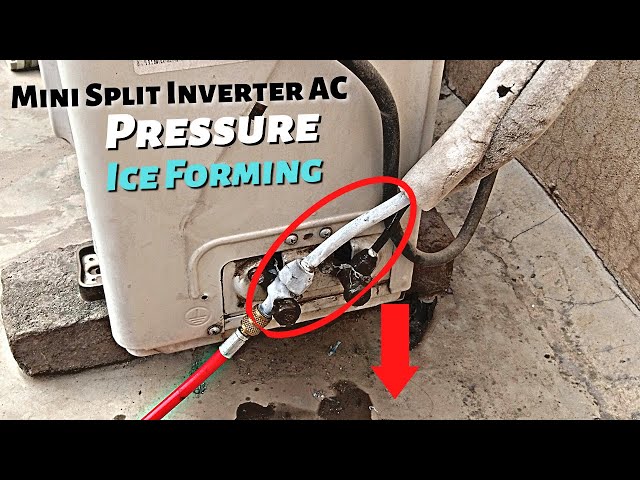
Is your ductless air conditioner blowing warm air or not working at all? You might have a frozen unit. This happens when ice forms on the coils inside the unit, blocking airflow and preventing it from cooling properly. A frozen ductless air conditioner isn’t just inconvenient; it can also damage the system if left untreated. Addressing this issue quickly can save you money on repairs and ensure your home stays cool and comfortable. Don’t panic! Often, the fix is simpler than you think.
💡 Technical Key Takeaways:
- Core Focus: Diagnostic schematic and terminal connection layout for Ductless Air Conditioner Freezing Up.
- Target Scope: Field technicians, automotive DIYers, and residential/commercial electricians.
- Safety Rule: Always disconnect the primary power source/battery terminal and verify zero voltage with a multimeter before touching wires.
Common Causes of Ductless Air Conditioner Freezing Up
Here are some of the most common reasons why your ductless air conditioner might be freezing up:
- Dirty Air Filter: A clogged filter restricts airflow, causing the coils to get too cold and freeze.
- Low Refrigerant: Insufficient refrigerant reduces the coil temperature, making them prone to icing.
- Blocked Airflow: Obstructions around the outdoor unit can restrict airflow and cause freezing.
- Dirty Coils: Dust and debris on the indoor or outdoor coils insulate them and prevent efficient heat transfer, leading to freezing.
- Fan Malfunction: A failing fan can’t circulate air properly, leading to ice buildup on the coils.
- Cold Weather: Running the unit in very cold outdoor temperatures (below its operating range) can cause freezing.
- Restricted or Kinked Refrigerant Line: A bend or blockage can reduce refrigerant flow causing freeze up.
- Dirty Fan Blades: Debris on the fan blades impacts air movement and contributes to frozen coils.
Symptoms Checklist
Check for these indicators to confirm if your ductless air conditioner is freezing up:
- Reduced or no airflow from the unit.
- Warm air blowing from the unit.
- Visible ice on the indoor or outdoor unit coils.
- Water dripping from the indoor unit (when the ice melts).
- Unusual noises coming from the unit.
- Higher than usual energy bills.
How to Fix Ductless Air Conditioner Freezing Up Step-by-Step Guide
Follow these steps to troubleshoot and fix a frozen ductless air conditioner:
- Turn Off the Unit: Immediately turn off the air conditioner to allow the ice to melt. This prevents further damage.
- Check the Air Filter: Remove the air filter and inspect it. If it’s dirty, either clean it (if it’s a washable filter) or replace it. A clean filter is essential for proper airflow.
- Melt the Ice: Allow the ice to melt completely. You can speed up the process by using a fan to blow air over the coils. Do not use a hairdryer or other heat source directly on the coils.
- Inspect the Outdoor Unit: Check for any obstructions around the outdoor unit, such as leaves, branches, or snow. Clear away any debris to ensure proper airflow.
- Clean the Coils: Once the ice is melted, clean the indoor and outdoor coils. Use a soft brush and a vacuum cleaner with a brush attachment to remove dust and debris. You can also use a coil cleaner (available at most hardware stores), following the product instructions carefully.
- Check the Fan: Ensure the fan blades on both the indoor and outdoor units are clean and spinning freely. Remove any debris that may be obstructing them.
- Restart the Unit: After ensuring everything is clean and clear, turn the unit back on and set it to a moderate temperature. Monitor its performance closely.
- Observe Airflow: Check if the airflow has improved. If the unit is still blowing warm air or if the problem persists, proceed to the next steps.
- Check Refrigerant Lines (Visual): Look for any obvious kinks or bends in the refrigerant lines connecting the indoor and outdoor units. Straighten them carefully if possible (if easily accessible).
- Run in Fan-Only Mode: If the unit still freezes, try running it in fan-only mode for a few hours to dry out any remaining moisture.
- Monitor for Recurrence: Keep a close eye on the unit for the next few days. If the freezing problem returns, it indicates a more serious issue requiring professional help.
- Check the Thermostat Setting: Make sure the thermostat isn’t set too low. Extremely low temperature settings can cause freezing, especially in marginal conditions.
Fix the Issue Without Buying Parts
Many freezing issues can be resolved without replacing any parts:
- Reset the Unit: Turn off the unit at the breaker for a few minutes, then turn it back on. This can sometimes reset the system and resolve minor issues.
- Cleaning: Regular cleaning of the air filter, coils, and fan blades is crucial for maintaining proper airflow.
- Recalibration (If Applicable): Some ductless units have calibration settings. Consult your owner’s manual for instructions on how to recalibrate the unit.
- Inspection Tips: Regularly inspect the unit for any signs of damage or wear. Look for leaks, corrosion, or loose connections.
- Maintenance Basics: Follow the manufacturer’s recommended maintenance schedule to keep your unit running efficiently and prevent future problems.
When Replacement Might Be Necessary
If the freezing issue persists despite your troubleshooting efforts, it might indicate a more serious problem, such as a refrigerant leak or a faulty compressor. Refrigerant leaks require professional repairs and should not be attempted by homeowners. In cases of significant damage or age-related wear and tear, replacement may be the most cost-effective solution. Expect to pay between $1,500 and $5,000 USD for a new ductless air conditioner installation, depending on the size and features. Common failing parts include the compressor, fan motor, and electronic control board.
Safety Warning
Follow these safety precautions when troubleshooting your ductless air conditioner:
- Unplug the Unit: Always disconnect the power to the unit at the breaker before performing any maintenance or repairs.
- Avoid Wet Floors: Be careful when working around electrical components, especially if there is water present.
- Sharp Objects: Be cautious of sharp edges on the metal housing of the unit.
- Refrigerant Handling: Never attempt to handle refrigerant yourself. It requires specialized equipment and training.
Tools You May Need
Here’s a list of simple tools that can be helpful for troubleshooting:
- Screwdriver (Phillips and flathead)
- Vacuum cleaner with brush attachment
- Soft brush
- Air filter cleaner (if applicable)
- Coil cleaner (optional)
- Flashlight
- Work gloves
FAQ
Here are some frequently asked questions about ductless air conditioner freezing up:
- Q: How often should I clean my air filter? A: Check it monthly and clean or replace it every 1-3 months, depending on usage and air quality.
- Q: Can I use a regular garden hose to clean the coils? A: No, using a garden hose can damage the coils. Use a coil cleaner and a soft brush.
- Q: Why is my ductless air conditioner freezing up even though the air filter is clean? A: Other causes could be low refrigerant, dirty coils, or a malfunctioning fan.
- Q: How do I know if my unit has a refrigerant leak? A: Signs include reduced cooling, hissing noises, and oily residue near the refrigerant lines. Call a professional for inspection and repair.
- Q: Is it okay to run my ductless air conditioner in the winter? A: Some units have a “heat pump” function for heating. If you’re using it for cooling in very cold weather, it can freeze. Refer to your owner’s manual for proper operation in cold temperatures.
Conclusion
Troubleshooting a frozen ductless air conditioner can often be resolved with simple steps like cleaning the filter and coils. By following this guide, you can save money and keep your home cool. If the problem persists after trying these solutions, it’s best to consult a qualified HVAC technician to diagnose and repair the issue. Don’t hesitate to seek professional help to ensure your unit is running efficiently and safely!
Youtube Video:
Quick Wiring Specifications & Terminal Guide
| Component / Circuit | Standard Wire Gauge | Recommended Protection |
|---|---|---|
| Control & Trigger Signals | 18 – 20 AWG | 5A – 7.5A Inline Fuse |
| Standard Auxiliary Load | 14 – 16 AWG | 15A – 20A Circuit Breaker |
| Main Power Feed / Supply | 10 – 12 AWG | 30A – 40A Heavy-Duty Relay |
Images References
Looking for more diagnostic guides? Explore our complete Air Conditioner Troubleshooting 4 section for step-by-step troubleshooting solutions.
