Introduction
A clogged or malfunctioning home air conditioner water drain can lead to water damage in your home, inefficient cooling, and even mold growth. Your AC unit produces condensation as it cools the air, and this water needs to drain properly. If the drain is blocked, water can back up, causing leaks inside your home. Addressing this issue promptly is crucial to prevent costly repairs and maintain a healthy living environment.
Common Causes of home air conditioner water drain
Here are some common reasons why your AC drain might be clogged:
- Algae Growth: Dark, damp environments breed algae, which can quickly clog drain lines.
- Dust and Debris: Airborne particles like dust, pollen, and pet hair can accumulate and form blockages.
- Mold and Mildew: Like algae, mold thrives in the drain line and can contribute to clogs.
- Insect Infestation: Small insects can enter the drain line and contribute to blockages, or their decaying bodies can clog the drain.
- Sludge Buildup: A combination of dust, algae, and minerals can form a slimy sludge that obstructs water flow.
- Improper Installation: A drain line that isn’t properly sloped can cause water to pool and lead to clogs.
- Kinked Drain Line: A kink in the drain line will restrict or completely block water flow.
- Clogged Air Filter: A dirty air filter reduces airflow, causing the evaporator coil to freeze and melt rapidly when the AC is turned off. This excessive water can overwhelm the drain system.
Symptoms Checklist
Here are some signs that indicate a problem with your AC drain:
- Water leaking from the indoor unit of your air conditioner.
- Water stains on your ceiling or walls near the indoor unit.
- Musty or moldy odors coming from the AC unit or nearby.
- The air conditioner shuts off unexpectedly.
- Standing water in the drain pan.
- Visible algae or mold growth around the drain opening.
How to Fix home air conditioner water drain Step-by-Step Guide
Here’s how to troubleshoot and clear your AC drain:
- Turn Off the AC: Before you start, turn off your air conditioner at the thermostat and the breaker.
- Locate the Drain Line: Find the drain line, usually a PVC pipe exiting the indoor unit (often located in the attic or a closet) and running outside.
- Locate the Drain Pan: Find the drain pan under the indoor unit. Check for standing water; if full, it’s a sign of a clog.
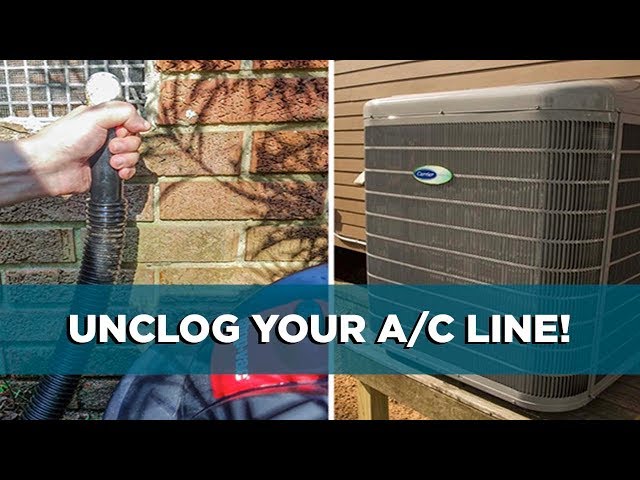
- Wet/Dry Vacuum Method: Attach a wet/dry vacuum to the end of the drain line outside. Seal the connection as best as possible with duct tape or a rag. Turn on the vacuum for a few minutes to suck out the clog.
- Pour Water in Drain Pan: After vacuuming, slowly pour a cup of water into the drain pan inside. Observe if the water drains freely through the pipe.
- Flush with Vinegar: Pour one cup of distilled white vinegar into the drain line. Vinegar is a natural disinfectant that can help dissolve algae and mineral buildup. Let it sit for 30 minutes to an hour.
- Flush with Water: After the vinegar soak, flush the drain line with a gallon of water to remove any loosened debris.
- Use a Stiff Wire or Pipe Cleaner: Carefully insert a stiff wire, pipe cleaner, or small brush into the drain line to break up any remaining clogs. Be gentle to avoid damaging the pipe.
- Check for Kinks: Inspect the entire length of the drain line for any kinks or bends that might be restricting water flow. Straighten out any kinks you find.
- Clean the Drain Pan: If the drain pan is accessible, clean it with a mild detergent and water to remove any accumulated algae or debris.
- Reassemble and Test: Reconnect any disconnected drain lines. Turn the AC back on and observe if water now drains properly from the outdoor drain line.
- Monitor the System: After cleaning, monitor the AC system for a few days to ensure the drain continues to function properly.
- Repeat if Necessary: If the drain clogs again quickly, repeat the cleaning process, or consider a professional cleaning.
Fix the Issue Without Buying Parts
Often, clearing a clogged drain doesn’t require any new parts! Here are some free ways to address the issue:
- Regular Cleaning: Prevent clogs by pouring a cup of vinegar down the drain line every month.
- Air Filter Maintenance: Regularly replace your AC’s air filter to reduce dust buildup in the drain line.
- Proper Sloping: Ensure the drain line has a consistent downward slope to facilitate proper drainage.
- Inspect Regularly: Periodically check the drain line for kinks, clogs, or signs of algae growth.
When Replacement Might Be Necessary
In rare cases, the drain line might be cracked or damaged beyond repair. Replacing the drain line is a relatively inexpensive fix, with PVC pipes costing between $5-$20. Professional drain cleaning services can range from $75 to $200, depending on the complexity of the clog. The drain pan can crack over time and require replacement. A new drain pan may cost between $50 and $150, plus labor.
Safety Warning
- Always turn off the power to the AC unit before starting any troubleshooting or repairs.
- Be careful when working with water near electrical components.
- Wear gloves to protect your hands from dirt and bacteria.
- Avoid overfilling the drain pan, as this can lead to water damage.
Tools You May Need
- Wet/Dry Vacuum
- Distilled White Vinegar
- Stiff Wire or Pipe Cleaner
- Bucket
- Gloves
- Duct Tape
- Screwdriver (to access unit)
FAQ
Here are some common questions about AC drain issues:
- Q: How often should I clean my AC drain line? A: Aim to clean it at least once a year, or more frequently if you notice signs of clogging.
- Q: Can I use bleach to clean the drain line? A: While bleach can kill algae, it can also corrode metal components. Vinegar is a safer and more environmentally friendly option.
- Q: What if I can’t find the drain line? A: Consult your AC unit’s manual or contact a professional HVAC technician for assistance.
- Q: Why is my AC leaking even after I cleaned the drain line? A: There might be other issues, such as a frozen evaporator coil or a refrigerant leak. Consult a professional in this case.
Conclusion
Don’t let a clogged AC drain ruin your comfort or cause water damage in your home. By following these simple steps, you can often clear the drain yourself and keep your AC running efficiently. However, if you’re uncomfortable with any of these steps or if the problem persists, don’t hesitate to call a qualified HVAC technician for assistance. Prioritizing DIY solutions helps save costs, but professional help guarantees the longevity of your home appliance.
Youtube Video:
Looking for more useful options?
Check out recommended resources that others find helpful.