Introduction
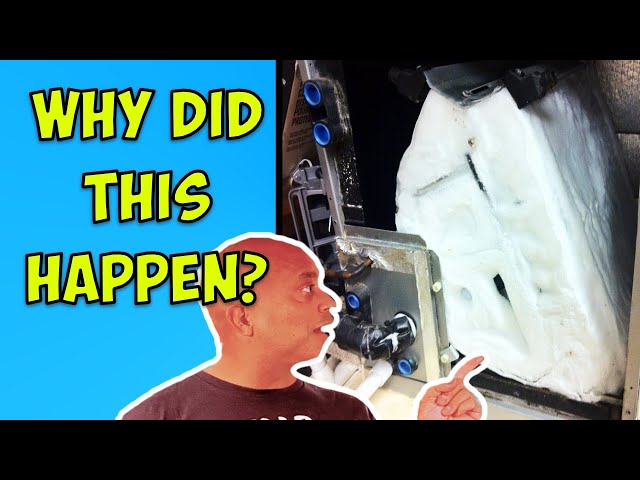
A frozen AC coil is a common problem for homeowners, especially during periods of heavy use. It occurs when ice forms on the evaporator coils inside your air conditioning unit, hindering its ability to cool your home effectively. This not only makes your house uncomfortable, but it can also damage your AC system if left unaddressed. Addressing this issue quickly is important to prevent costly repairs and ensure your AC runs efficiently.
Common Causes of Home AC Coils Frozen
Here are some common reasons why your AC coils might be freezing up:
- Low Refrigerant Levels: Refrigerant is essential for cooling. Too little refrigerant can cause the coil temperature to drop too low, leading to ice formation.
- Dirty Air Filter: A clogged air filter restricts airflow, making the coils too cold.
- Restricted Airflow: Blocked vents or closed registers prevent proper airflow across the coils.
- Dirty Evaporator Coils: Dust and dirt on the coils act as insulation, reducing heat transfer and causing them to freeze.
- Blower Fan Problems: A malfunctioning blower fan can’t move enough air across the coils, leading to freezing.
- Outside Temperature Too Low: Running your AC when the outside temperature is too low (usually below 60F) can cause the coils to freeze.
- Damaged or Bent Coil Fins: Bent fins restrict airflow and can trap moisture, contributing to ice formation.
- Leaky Ductwork: Leaky ducts can cause pressure imbalances and affect airflow, contributing to coil freezing.
Symptoms Checklist
Look out for these signs that your AC coils might be frozen:
- Reduced or no cool air coming from vents.
- Visible ice buildup on the indoor AC unit (look inside the access panel).
- AC running constantly without cooling the house.
- Water leaks around the indoor AC unit.
- Higher than normal energy bills.
- A musty or moldy odor coming from the vents.
How to Fix Home AC Coils Frozen Step-by-Step Guide
Follow these steps to troubleshoot and potentially fix your frozen AC coils:
- Turn off the AC: The first step is to turn off your AC system. This will allow the ice to melt. It’s important to only turn off the unit and not the fan.
- Turn the Fan to “On”: Set your thermostat fan setting from “Auto” to “On”. This keeps air circulating even when the AC isn’t cooling.
- Locate the Indoor Unit: Find the indoor unit of your AC system. This is usually in your attic, basement, or a closet.
- Inspect for Ice: Open the access panel and look for ice buildup on the evaporator coils.
- Check the Air Filter: Remove and inspect the air filter. If it’s dirty, replace it with a new one. This is a very common cause of frozen coils.
- Allow Ice to Melt: Give the ice time to melt completely. This can take anywhere from 1 to 24 hours, depending on the severity of the ice buildup.
- Check Airflow: After the ice has melted, ensure all vents in your home are open and unobstructed. Check for furniture blocking vents.
- Inspect Outdoor Unit: Check the outdoor unit for any debris blocking the fins. Clear away leaves, grass, or other obstructions.
- Clean the Coils (If Accessible): If you feel comfortable doing so, you can gently clean the evaporator coils with a soft brush or vacuum cleaner attachment. Be very careful not to damage the fins.
- Restart the AC: After the ice has melted and you’ve addressed the potential causes, turn your AC back on. Monitor it closely to see if the coils freeze again.
- Monitor Refrigerant Lines: Observe the refrigerant lines (copper pipes) that connect the indoor and outdoor units. Check for leaks or damage.
- Check for Kinks: Inspect the air duct system for kinks or collapsed sections that may be reducing airflow.
Fix the Issue Without Buying Parts
Here are some free methods to address the issue:
- Air Filter Cleaning/Replacement: Regularly clean or replace your air filter to maintain proper airflow.
- Vent Inspection: Inspect vents to make sure they’re open and not blocked, helping to normalize air distribution.
- Thermostat Recalibration (If Possible): Check your thermostat settings and recalibrate to ensure accurate temperature readings.
- Ductwork Inspection: Check for loose duct connections, which can significantly impact AC efficiency.
- Basic AC Unit Cleaning: Sweep and vacuum around the outdoor unit to ensure adequate ventilation.
When Replacement Might Be Necessary
If the problem persists after trying these troubleshooting steps, you might need to consider replacing certain parts or even the entire system. Low refrigerant often indicates a leak that requires professional repair or replacement. A failing blower motor will also likely need to be professionally replaced. Depending on the complexity, repairs can range from $200 to $1500. Replacing an entire AC system can cost anywhere from $4,000 to $8,000 USD, depending on the size and efficiency of the unit.
Safety Warning
- Always turn off the power to your AC unit at the breaker box before attempting any repairs or inspections.
- Avoid touching any electrical components or wiring while the power is on.
- Be careful when working with tools around the AC unit to avoid damaging any components.
- If you are uncomfortable performing any of these steps, contact a qualified HVAC technician.
Tools You May Need
- Screwdrivers (Phillips and flathead)
- Wrench set
- Vacuum cleaner with hose attachment
- Soft brush
- Air filter
FAQ
Here are some frequently asked questions about frozen AC coils:
-
Q: How long does it take for frozen AC coils to thaw?
A: It can take anywhere from 1 to 24 hours for the ice to melt completely, depending on the severity of the buildup. -
Q: Can I use a hairdryer to speed up the thawing process?
A: No, do not use a hairdryer or any other heat source to thaw the coils. This can damage the system. -
Q: How often should I change my air filter?
A: It is recommended to change your air filter every 1-3 months, depending on usage and air quality. -
Q: What happens if I ignore frozen AC coils?
A: Ignoring the problem can lead to compressor damage, water damage, and higher energy bills.
Conclusion
Troubleshooting frozen AC coils can seem daunting, but by following these steps, you can often resolve the issue yourself. Start with the easy fixes, like changing the air filter and ensuring proper airflow. If the problem persists, it’s always best to consult with a qualified HVAC technician. Addressing the issue promptly will help keep your home cool and protect your AC system from further damage.
Youtube Video:
Looking for more useful options?
Check out recommended resources that others find helpful.