Introduction
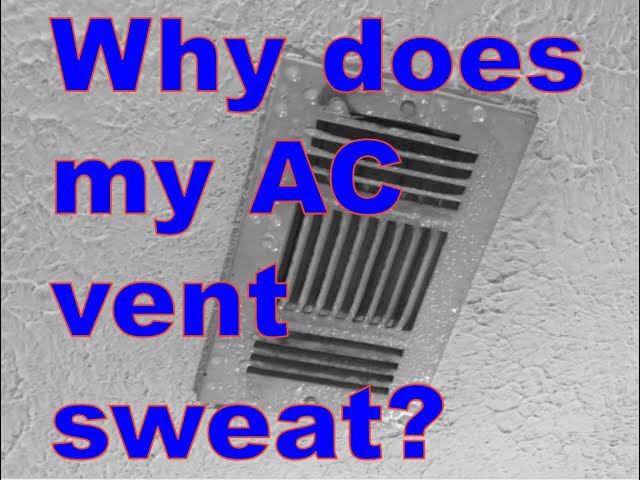
Discovering water dripping from your AC vent is a homeowner’s nightmare! It usually means there’s a problem with your air conditioning system that needs immediate attention. This leak can cause damage to your ceiling, walls, and even lead to mold growth. Ignoring it can result in costly repairs down the line. This guide will walk you through the common causes, symptoms, and step-by-step solutions to tackle this issue.
Common Causes of Ceiling Leaking from AC Vent
Several factors can contribute to water leaking from your AC vents. Here are some of the most common culprits:
- Condensation Overload: Warm, humid air coming into contact with the cold vent can cause condensation. If there’s too much, the vent overflows.
- Clogged Condensate Drain Line: AC systems have a drain line to remove condensation. If this line gets blocked with algae, dust, or debris, water backs up and leaks.
- Dirty Air Filter: A dirty air filter restricts airflow, causing the evaporator coil to freeze. When the ice melts, it overloads the drain pan, leading to leaks.
- Low Refrigerant Levels: Low refrigerant can cause the evaporator coil to become too cold, leading to excessive freezing and, consequently, leaks when the ice melts.
- Damaged or Rusted Drain Pan: The drain pan collects condensation. If it’s cracked, rusted, or damaged, water will leak.
- Improper Insulation: Poorly insulated ductwork can cause condensation to form on the outside of the ducts, dripping onto the ceiling.
- Leaky Ductwork: Cracks or gaps in your ductwork can allow warm, humid air to enter, leading to condensation and leaks.
- Incorrectly Sized AC Unit: An oversized AC unit cools the air too quickly without properly dehumidifying, resulting in excess condensation.
Symptoms Checklist
Use this checklist to help pinpoint the problem:
- Water stains or discoloration on the ceiling around the AC vent.
- Active dripping from the AC vent.
- Musty odor in the room.
- The AC unit runs constantly.
- The AC unit is not cooling the air effectively.
- Visible ice formation on the AC unit or copper lines.
How to Fix Ceiling Leaking from AC Vent Step-by-Step Guide
Follow these steps to troubleshoot and fix the leak:
- Turn Off the AC: This is crucial for safety and to prevent further water damage.
- Protect the Area: Place a bucket or towel under the leaking vent to catch water and prevent further damage to your floor.
- Inspect the Air Filter: Remove the air filter and check if it’s dirty. If so, replace it with a new one. A clean filter improves airflow.
- Locate the Condensate Drain Line: This is usually a PVC pipe located near the indoor unit.
- Check the Drain Line Opening: Ensure the opening of the drain line is not submerged in water. It should be above the water level in the drain pan.
- Clear the Drain Line: Use a wet/dry vacuum to suck out any clogs in the drain line. Attach the hose to the end of the drain line and let it run for a few minutes.
- Flush the Drain Line: Pour a cup of distilled white vinegar down the drain line to kill algae and prevent future clogs.
- Inspect the Drain Pan: Check the drain pan for cracks, rust, or debris. Clean the pan with a mild detergent and water. If it’s damaged, this will eventually need to be replaced by a professional.
- Check the Ductwork: Inspect the ductwork near the AC unit and around the vents for any visible gaps or damage.
- Seal Leaky Ducts: Use foil tape (not duct tape) to seal any visible leaks in the ductwork.
- Observe the AC Unit: Turn the AC back on and monitor the unit for any signs of freezing or excessive condensation.
- Check for Ice Formation: Look for ice on the evaporator coil (the part inside the indoor unit). If you see ice, turn off the AC and let it thaw completely before troubleshooting further.
- Monitor for Re-occurrence: After completing these steps, keep an eye on the ceiling around the AC vent for any signs of the leak returning.
- Consider Professional Help: If the leak persists after trying these steps, it’s best to call a qualified HVAC technician.
Fix the Issue Without Buying Parts
Many AC leak issues can be resolved without immediately purchasing replacement parts. Here are some free methods:
- Air Filter Cleaning/Replacement: Regularly clean or replace your air filter (every 1-3 months) to maintain proper airflow.
- Drain Line Flushing: Flush the condensate drain line with vinegar every few months to prevent clogs.
- Visual Inspection: Regularly inspect the drain pan, ductwork, and vents for any signs of damage or leaks.
- AC Unit Reset: Try resetting your AC unit by turning it off for a few hours. This can sometimes resolve minor issues.
- Insulation Check: Ensure the ductwork is properly insulated to prevent condensation.
When Replacement Might Be Necessary
While many leaks can be fixed with simple troubleshooting, sometimes replacement is necessary. Here are some situations where replacement is likely:
- Damaged Drain Pan: If the drain pan is severely cracked or rusted, it needs to be replaced (Estimated cost: $50-$200).
- Refrigerant Leak: If the leak is due to low refrigerant, it indicates a potential refrigerant leak, which requires professional repair or, in severe cases, unit replacement. (Estimated cost for leak repair: $200-$600). A whole new AC unit is much more expensive, of course.
- Extensive Ductwork Damage: Severely damaged or corroded ductwork might require replacement (Estimated cost: $500-$2000+ depending on complexity).
Safety Warning
Follow these safety precautions:
- Always turn off the AC unit before performing any maintenance or repairs.
- Be careful when working with electrical components. If you’re unsure, consult a professional.
- Avoid prolonged exposure to mold. If you suspect mold growth, wear a mask and gloves.
- Be mindful of wet floors to prevent slips and falls.
Tools You May Need
Here’s a list of simple tools that can be useful:
- Screwdriver (Phillips and flathead)
- Wet/dry vacuum
- Distilled white vinegar
- Foil tape
- Bucket or towels
- Flashlight
- Gloves
FAQ
Here are some frequently asked questions:
- Q: Why is my AC leaking only when it’s humid? A: High humidity increases condensation, making leaks more noticeable.
- Q: How often should I clean my AC’s drain line? A: At least twice a year, or more frequently if you notice clogs.
- Q: Can a dirty air filter cause my AC to leak? A: Yes, a dirty filter restricts airflow and can lead to ice formation and leaks.
- Q: Is it safe to use bleach to clean the drain line? A: While bleach can kill algae, it can also corrode the drain line. Vinegar is a safer option.
Conclusion
Dealing with a ceiling leaking from your AC vent can seem daunting, but with a little troubleshooting, you can often identify and fix the problem yourself. Remember to follow the safety precautions and take your time. If the issue persists despite your best efforts, don’t hesitate to call a qualified HVAC technician. Addressing the leak promptly will prevent further damage and ensure your AC system runs efficiently.
Youtube Video:
Looking for more useful options?
Check out recommended resources that others find helpful.