Introduction
Finding ice on the freon lines of your home AC unit can be alarming. The freon lines, usually copper, carry refrigerant (the chemical that cools your home) between the indoor evaporator coil and the outdoor condenser coil. When these lines freeze up, it means your AC isn’t working efficiently, and you might be dealing with poor cooling or even a complete system shutdown. Addressing this issue promptly is crucial to prevent further damage to your AC unit and maintain a comfortable home environment. Frozen freon lines often happen during periods of high humidity or when the AC is working overtime. Don’t ignore this problem; early intervention can save you from costly repairs down the line. Explore more in our Air Conditioner Troubleshooting category.
💡 Technical Key Takeaways:
- Core Focus: Diagnostic schematic and terminal connection layout for Home Ac Freon Line Frozen.
- Target Scope: Field technicians, automotive DIYers, and residential/commercial electricians.
- Safety Rule: Always disconnect the primary power source/battery terminal and verify zero voltage with a multimeter before touching wires.
Common Causes of Home AC Freon Line Frozen
Here are some of the most common reasons why your AC’s freon line might be freezing:
- Low Refrigerant Levels: If your AC is low on refrigerant, the pressure inside the system drops, causing the evaporator coil to become too cold and freeze.
- Dirty Air Filter: A clogged air filter restricts airflow, reducing the amount of warm air passing over the evaporator coil. This lack of warm air allows the coil to become too cold and freeze.
- Blocked Vents: Closing too many vents in your home can restrict airflow throughout the system, leading to the same problem as a dirty air filter.
- Dirty Evaporator Coil: Dust and dirt buildup on the evaporator coil act as insulation, preventing proper heat transfer and causing the coil to freeze.
- Faulty Blower Motor: A weak or failing blower motor reduces the airflow across the evaporator coil, which can cause it to freeze.
- Outside Temperature Too Low: Running your AC when the outside temperature is below 60F (15C) can cause the evaporator coil to freeze, as the system isn’t designed to operate in such cold conditions.
- Kinked or Blocked Refrigerant Line: A kink or blockage in the refrigerant line can restrict the flow of refrigerant, leading to low pressure and freezing.
- Damaged or Iced-Over Condenser Fan: A failing condenser fan, or one blocked by ice, restricts airflow over the outdoor unit, which causes the refrigerant pressure to drop and the indoor coil to freeze.
Symptoms Checklist
If you suspect a frozen freon line, look for these telltale signs:
- Visible ice buildup on the copper freon lines connected to your outdoor AC unit.
- Reduced or no cool air coming from your vents.
- The AC unit is running constantly but not cooling the house effectively.
- Water leaks around the indoor unit (from melting ice).
- Higher than usual energy bills.
- A hissing or bubbling sound coming from the AC unit.
How to Fix Home AC Freon Line Frozen Step-by-Step Guide
Follow these steps to troubleshoot and potentially fix the frozen freon line:
- Turn Off the AC: Immediately turn off your AC unit at the thermostat. This will stop the cooling process and allow the ice to melt.
- Turn On the Fan: Set your thermostat to “Fan Only” mode. This will circulate air across the frozen coil, speeding up the melting process.
- Check the Air Filter: Remove and inspect your air filter. If it’s dirty, replace it with a new one. A clean air filter is crucial for proper airflow.
- Melt the Ice: Allow several hours for the ice to melt completely. You can use a hair dryer (on a low setting and kept at a safe distance) to gently speed up the process, but avoid direct heat on the metal lines. Never use sharp objects to chip away the ice.
- Inspect Vents: Make sure that all vents in your home are open and unobstructed. Closed vents can restrict airflow and contribute to freezing.
- Check the Outdoor Unit: Inspect the outdoor condenser unit for any obstructions, such as leaves, grass clippings, or debris. Clean the area around the unit to ensure proper airflow.
- Run the AC (After Melting): Once the ice has completely melted, turn your AC back on and monitor its performance. If the lines freeze up again quickly, there’s likely a more serious underlying issue.
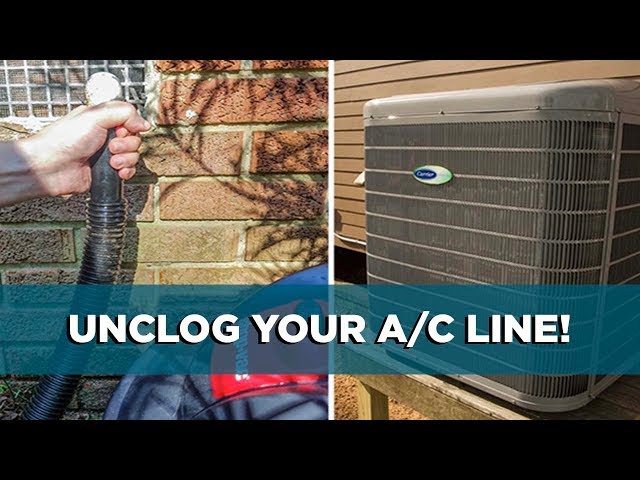
- Check the Condensate Drain Line: A clogged condensate drain line can cause water to back up and potentially freeze. Locate the drain line (usually a PVC pipe near your indoor unit) and make sure it’s clear. You can use a wet/dry vacuum to suck out any blockages.
- Inspect the Evaporator Coil (If Accessible): If you’re comfortable doing so, carefully inspect the evaporator coil (usually located inside the indoor unit) for dirt and debris. Use a soft brush or vacuum with a brush attachment to gently clean the coil. (Always disconnect power before opening the unit).
- Monitor Refrigerant Lines: After cleaning and ensuring airflow, turn the AC back on and monitor the refrigerant lines for re-freezing. If the problem persists, it’s time to consider professional help.
- Check the Condenser Fan: Ensure the fan on your outdoor unit is spinning freely and not obstructed. If it’s not running, or running slowly, this is a sign of a problem.
Fix the Issue Without Buying Parts
Before considering replacement parts, try these free methods:
- Reset Your AC: Turn off the AC completely (including the breaker) for 30 minutes, then turn it back on. This can sometimes reset the system and resolve minor issues.
- Thorough Cleaning: Clean the air filter, outdoor unit, and evaporator coil (if accessible) as described above.
- Ensure Proper Airflow: Open all vents and make sure furniture isn’t blocking airflow to the vents.
- Inspect for Kinks: Carefully inspect the refrigerant lines for any kinks or bends that could be restricting refrigerant flow.
- Check for Icing on the Outdoor Unit: Ensure the outdoor unit is free of ice or snow buildup. Gently pour warm water over the ice to melt it, if necessary.
When Replacement Might Be Necessary
If the freon lines continue to freeze after trying the above steps, it’s likely that you have a refrigerant leak or a more serious mechanical problem. Common parts that might need replacing include:. Related guide: Indoor Ac Not Turning On.
- Refrigerant: A refrigerant recharge can cost between $150 and $500, depending on the type of refrigerant and the size of your system.
- Blower Motor: A new blower motor can range from $200 to $800, including installation.
- Evaporator Coil: Replacing the evaporator coil is a major repair, costing between $800 and $2,000.
- Condenser Fan Motor: The cost to replace the condenser fan motor is typically between $150 and $500, including labor.
Safety Warning
- Turn Off Power: Always turn off the power to your AC unit at the breaker box before attempting any repairs or cleaning.
- Avoid Wet Floors: Be careful when working around melting ice to avoid slipping on wet floors.
- Don’t Overheat: When using a hair dryer to melt ice, keep it at a safe distance from the unit and avoid overheating any components.
- Refrigerant Exposure: Do not attempt to handle refrigerant yourself. It can cause frostbite and other health problems. Call a professional for refrigerant-related issues.
- Sharp Objects: Never use sharp objects to chip away ice, as you could damage the refrigerant lines.
Tools You May Need
- Screwdrivers (Phillips and flathead)
- Wrench set
- Air filter
- Soft brush or vacuum with brush attachment
- Wet/dry vacuum
- Hair dryer (optional)
- Work gloves
FAQ
-
Q: How do I know if my AC is low on refrigerant?
A: Common signs include reduced cooling, ice buildup on the freon lines, and a hissing sound coming from the unit. -
Q: How often should I change my air filter?
A: It’s generally recommended to change your air filter every 1-3 months, depending on the type of filter and the air quality in your home. -
Q: Can I add refrigerant to my AC myself?
A: No, it’s not recommended. Handling refrigerant requires specialized equipment and training. Improper handling can be dangerous and illegal. -
Q: Why is my AC running constantly but not cooling?
A: This could be due to low refrigerant, a dirty air filter, a clogged evaporator coil, or a faulty compressor. -
Q: What temperature should I set my thermostat to?
A: A comfortable and energy-efficient temperature is typically between 72F and 78F (22C and 26C). -
Q: What should I do if I suspect a refrigerant leak?
A: Turn off your AC and call a qualified HVAC technician immediately. Refrigerant leaks can be harmful to the environment and your health.
Conclusion
Dealing with a frozen freon line can be frustrating, but with a systematic approach, you can often identify and address the underlying cause yourself. Remember to prioritize safety and follow the steps outlined in this guide. If you’ve exhausted all troubleshooting options and the problem persists, don’t hesitate to call a qualified HVAC technician. It’s always best to seek professional help to avoid further damage to your AC system. Browse more guides on smartacfix.com.
Youtube Video:

Quick Wiring Specifications & Terminal Guide
| Component / Circuit | Standard Wire Gauge | Recommended Protection |
|---|---|---|
| Control & Trigger Signals | 18 – 20 AWG | 5A – 7.5A Inline Fuse |
| Standard Auxiliary Load | 14 – 16 AWG | 15A – 20A Circuit Breaker |
| Main Power Feed / Supply | 10 – 12 AWG | 30A – 40A Heavy-Duty Relay |
Images References