Introduction
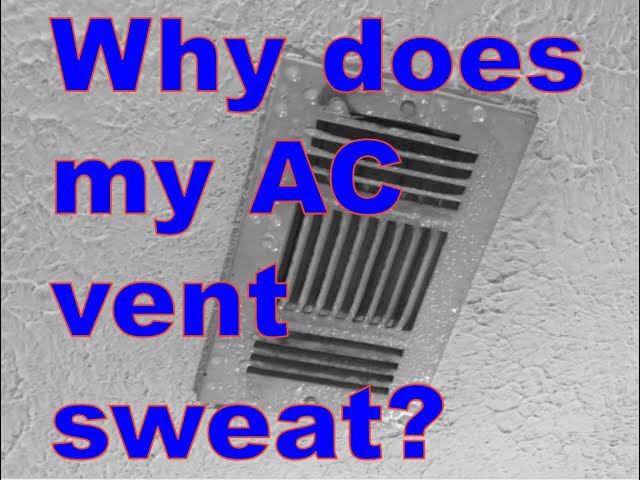
A dripping AC vent is a common problem homeowners face, especially during hot and humid weather. It happens when condensation forms on the vent and drips down, creating a mess and potentially damaging your walls or ceiling. Ignoring a dripping AC vent can lead to mold growth and further damage to your home. It’s important to address this issue quickly to prevent bigger problems down the road. Let’s find out why it’s happening and how you can fix it.
Common Causes of dripping ac vent
Here are some reasons why your AC vent might be dripping:
- High Humidity: When the air is very humid, condensation can form more easily on the cold surface of the vent.
- Poor Insulation: If your ductwork isn’t properly insulated, the cold air inside can cause the outside of the duct to get cold and form condensation.
- Dirty Air Filter: A dirty filter restricts airflow, causing the AC unit to overwork and cool excessively, leading to condensation.
- Blocked Drain Line: The AC unit has a drain line that removes condensation. If it’s blocked, water can back up and drip from the vent.
- Low Refrigerant: Low refrigerant can cause the evaporator coil to freeze, and when it melts, the water can overwhelm the drainage system.
- Leaky Ductwork: Leaks in the ductwork can allow warm, humid air to come into contact with the cold air, leading to condensation.
- Improperly Sized AC: If your AC unit is too big for your home, it might cool the air too quickly, leading to condensation.
- Vent is too cold: If the vent is not the right model for your setup, it will not be able to handle condensation.
Symptoms Checklist
Look for these signs to confirm the problem:
- Water dripping from the AC vent.
- Water stains on the ceiling or walls near the vent.
- Musty odors in the room.
- Visible mold growth around the vent.
- The AC unit is running constantly.
- Ice forming on the AC unit’s coils.
How to Fix dripping ac vent Step-by-Step Guide
Here’s how to troubleshoot and fix a dripping AC vent:
- Turn off the AC: Before you start, turn off your AC unit at the thermostat.
- Check the Air Filter: Locate the air filter (usually in the return vent or the AC unit itself) and inspect it. If it’s dirty, replace it with a new one. A clean air filter helps improve airflow.
- Inspect the Drain Line: Find the AC unit’s drain line (usually a PVC pipe near the outdoor unit or in the basement). Check for any clogs or blockages.
- Clear the Drain Line: Use a wet/dry vacuum to suck out any debris from the drain line. You can also try using a stiff wire to break up any clogs.
- Check for Ice Buildup: Inspect the AC unit’s evaporator coils (inside the indoor unit). If you see ice, the unit may have low refrigerant or a problem with airflow.
- Melt the Ice: Turn off the AC and let the ice melt completely. This could take several hours. You can speed up the process with a fan.
- Inspect Ductwork: Check the visible ductwork for any leaks or damage. Seal any leaks with duct tape or foil tape.
- Check Vent: Ensure the vent is the right model for your setup.
- Adjust Vent: Adjust vent to stop condensation from happening.
- Monitor: Monitor the vent for any further condensation or dripping.
- Turn AC back on: After the Ice is gone, and if the condensation is minimal, turn AC back on and continue monitoring.
Fix the Issue Without Buying Parts
Here are some free ways to address the problem:
- Reset the AC: Turn off the AC unit at the breaker for 30 minutes, then turn it back on. This can sometimes reset the system and resolve minor issues.
- Clean the Vents: Use a vacuum cleaner with a brush attachment to clean the AC vents and remove any dust or debris.
- Improve Airflow: Make sure that furniture or curtains aren’t blocking the vents.
- Adjust Thermostat: Try raising the thermostat temperature slightly. Sometimes, setting it too low can cause excessive condensation.
- Regular Inspection: Inspect your AC unit and ductwork regularly to catch potential problems early.
When Replacement Might Be Necessary
Sometimes, replacement might be necessary. Here are some scenarios:
- Damaged Ductwork: If the ductwork is severely damaged or corroded, it might need to be replaced. Estimated cost: $500-$2000.
- Faulty AC Unit: If the AC unit is old or has major mechanical problems, replacement might be the best option. Estimated cost: $3000-$7000.
- Vent Replacement: If you vent is wrong model for setup. Estimated cost: $20-$100.
- Commonly Failing Parts: Evaporator coils, compressors, and blower motors are common parts that might need to be replaced.
Safety Warning
Take these precautions to ensure your safety:
- Unplug the AC: Before working on the AC unit, always unplug it from the power source.
- Avoid Wet Floors: Be careful of wet floors around the AC unit to prevent slips and falls.
- Wear Gloves: Wear gloves to protect your hands from sharp edges or dirty parts.
- Call a Professional: If you’re not comfortable working with electrical components or refrigerant, call a qualified HVAC technician.
Tools You May Need
Here’s a list of tools that might be helpful:
- Screwdrivers (Phillips and flathead)
- Wet/dry vacuum
- Duct tape or foil tape
- Air filter wrench
- Stiff wire or pipe cleaner
- Gloves
- Flashlight
FAQ
Here are some frequently asked questions:
- Why is my AC dripping even after cleaning the filter? Other issues like a blocked drain line or low refrigerant can cause dripping even with a clean filter.
- How often should I clean my AC vents? Clean your AC vents at least twice a year, or more often if you have pets or allergies.
- Can I use bleach to clean the drain line? Yes, but use it sparingly and dilute it with water. Too much bleach can damage the drain line.
- Is it normal for my AC to drip a little bit? A small amount of condensation is normal, but excessive dripping indicates a problem.
Conclusion
Don’t let a dripping AC vent cause further damage to your home! By following these simple steps, you can often fix the problem yourself and save money on costly repairs. If you’ve tried these troubleshooting tips and the dripping persists, it’s time to call a qualified HVAC technician. They can diagnose the problem and recommend the best course of action to keep your home cool and comfortable. Good luck!
Youtube Video:
Looking for more useful options?
Check out recommended resources that others find helpful.