Introduction
Finding condensation on your indoor AC unit can be alarming. It means there’s excessive moisture building up, and if left unchecked, it can lead to mold growth, water damage, and even reduced cooling efficiency. This often happens during periods of high humidity or when the AC is working extra hard. Addressing this issue quickly is essential to prevent further damage and keep your home comfortable.
Common Causes of Condensation on Inside AC Unit
Here are some common reasons why you might find condensation on your indoor AC unit:
- Clogged Air Filter: A dirty filter restricts airflow, causing the evaporator coil to get too cold and ice over. When the ice melts, it creates excessive condensation.
- Dirty Evaporator Coils: Dust and dirt buildup on the coils insulates them, reducing their ability to absorb heat properly, leading to ice formation and subsequent condensation.
- Low Refrigerant Levels: Low refrigerant can cause the evaporator coil to become too cold, resulting in icing and condensation.
- Blocked Drain Line: The drain line removes condensation. If it’s clogged, water backs up and overflows.
- High Humidity: Extremely humid weather puts a strain on the AC, potentially overwhelming its ability to remove moisture.
- Improper Installation: If the AC unit wasn’t installed correctly, it might not be sealed properly, allowing warm, moist air to enter and condense.
- Leaking Ductwork: Leaks in your ductwork can allow warm, humid air to enter the system, leading to condensation.
- Oversized AC Unit: An AC unit that’s too large for your home can cool the air too quickly, without properly removing humidity.
Symptoms Checklist
Check for these signs to confirm condensation issues:
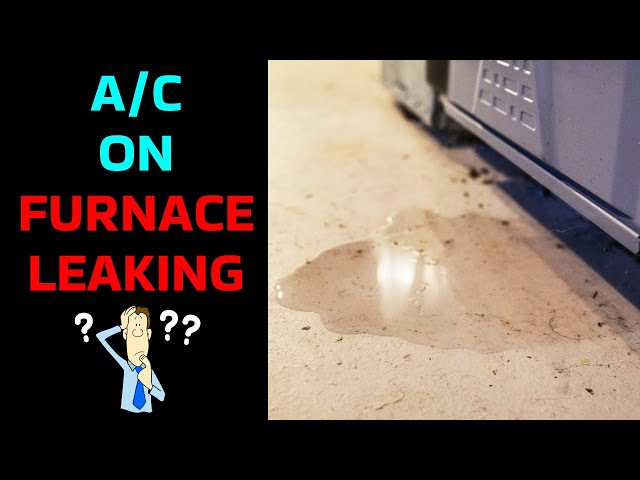
- Water dripping or pooling around the indoor AC unit.
- Visible ice formation on the evaporator coils (the copper pipes inside the unit).
- Musty or moldy odors coming from the AC unit or vents.
- Reduced cooling performance; the AC runs but the house isn’t getting cool enough.
- Higher than usual energy bills.
- Water stains on the ceiling or walls near the AC unit.
How to Fix Condensation on Inside AC Unit Step-by-Step Guide
Follow these steps to troubleshoot and fix the condensation issue:
- Turn Off the AC: Switch off your AC unit at the thermostat and breaker to prevent further damage and for your safety.
- Inspect the Air Filter: Remove the air filter and check if it’s dirty. If it is, replace it with a new, clean filter. A clean filter is crucial for proper airflow.
- Check the Drain Line: Locate the drain line (usually a PVC pipe) near the indoor unit. Check for any visible clogs or kinks.
- Clear the Drain Line: Try using a wet/dry vacuum to suck out any clogs in the drain line. Attach the vacuum hose to the end of the drain line outside and let it run for a few minutes. You can also try pouring a cup of diluted bleach or vinegar into the drain line to dissolve any buildup.
- Inspect the Evaporator Coils: Carefully open the access panel to view the evaporator coils. Look for ice buildup or excessive dirt and dust.
- Melt Any Ice: If you see ice, let it melt completely by leaving the AC off for several hours. Use a fan to speed up the melting process.
- Clean the Evaporator Coils: After the ice has melted, use a soft brush or fin comb to gently remove any dirt and dust from the evaporator coils. You can also use a commercially available coil cleaner, following the product instructions carefully.
- Check for Ductwork Leaks: Inspect the visible sections of your ductwork for any tears, holes, or loose connections. Seal any leaks with duct tape or mastic sealant.
- Ensure Proper Ventilation: Make sure that the area around the indoor AC unit is well-ventilated to prevent moisture buildup.
- Run the Fan: After cleaning, turn on only the fan mode on your thermostat. This will help dry out the coils and prevent ice from forming again.
- Monitor Performance: After completing these steps, turn the AC back on and monitor its performance for a few days. Check for any signs of condensation returning.
- Professional Inspection (If Needed): If the problem persists, it’s best to call a qualified HVAC technician. Low refrigerant levels or more complex issues may require professional diagnosis and repair.
Fix the Issue Without Buying Parts
You can often address minor condensation issues without buying new parts:
- Reset the AC Unit: Turn off the AC at the breaker for 30 minutes and then turn it back on. This can sometimes reset the system and resolve minor malfunctions.
- Regular Cleaning: Consistent cleaning of the air filter and evaporator coils can prevent many condensation problems. Aim to clean the filter monthly and the coils at least twice a year.
- Improve Ventilation: Ensure adequate ventilation throughout your home to reduce overall humidity levels.
- Check for Blockages: Regularly inspect the area around the outdoor unit to ensure it’s free of debris that could restrict airflow.
When Replacement Might Be Necessary
While not ideal, sometimes parts replacement is needed. A severely damaged evaporator coil ($500-$1500), a faulty drain pan ($100-$300), or a failing blower motor ($200-$600) might necessitate replacement. Also consider that if the AC unit is over 15 years old, replacement might be more cost-effective than repeated repairs.
Safety Warning
- Always turn off the power to the AC unit at the breaker before performing any maintenance or repairs.
- Avoid touching any electrical components with wet hands.
- Be careful when handling coil cleaners or other chemicals. Follow the product instructions carefully and wear appropriate protective gear.
- If you are uncomfortable working with electrical or mechanical components, contact a qualified HVAC technician.
- Do not stand in water while working on the AC unit.
Tools You May Need
- Screwdrivers (Phillips and flathead)
- Wet/dry vacuum
- Soft brush or fin comb
- Duct tape or mastic sealant
- Coil cleaner (optional)
- Gloves
- Eye protection
FAQ
Here are some frequently asked questions:
- Q: Why is my AC dripping water inside? A: This is usually caused by a clogged drain line, a dirty air filter, or iced-over evaporator coils.
- Q: How often should I clean my AC filter? A: At least once a month, or more often if you have pets or allergies.
- Q: Can low refrigerant cause condensation? A: Yes, low refrigerant can cause the evaporator coil to become too cold, leading to icing and condensation.
- Q: Is it safe to use bleach to clean the drain line? A: Yes, but dilute it with water first to avoid damaging the pipes. Use about 1 cup of bleach per gallon of water.
Conclusion
Finding condensation on your indoor AC unit can be concerning, but by following these steps, you can often diagnose and fix the problem yourself. Remember to prioritize safety and take your time. If you’re not comfortable with any of these steps, don’t hesitate to call a qualified HVAC technician for assistance. Addressing this issue promptly will help keep your home comfortable and prevent further damage.
Youtube Video:
Looking for more useful options?
Check out recommended resources that others find helpful.