Introduction
It’s frustrating when your Daikin inverter air conditioner refuses to blow hot air, especially during chilly weather. This problem often occurs at the start of the heating season or after a period of inactivity. Understanding why your unit isn’t heating is crucial to restoring its functionality quickly and efficiently, ensuring your home stays comfortably warm.
Common Causes of Daikin Inverter Not Blowing Hot Air
Here are some frequent reasons why your Daikin inverter might not be heating properly:
- Incorrect Mode: The unit might be set to “Cool” or “Fan Only” instead of “Heat”.
- Thermostat Setting: The thermostat might be set lower than the current room temperature.
- Dirty Air Filter: A clogged filter restricts airflow, reducing heating efficiency.
- Outdoor Unit Issues: Ice buildup or debris blocking the outdoor unit can hinder heat transfer.
- Refrigerant Leak: Low refrigerant levels can significantly impact heating performance.
- Frozen Coils: Ice forming on the indoor or outdoor coils can prevent heat exchange.
- Electrical Problems: A tripped breaker or faulty wiring could interrupt power to the unit.
- Faulty Compressor: The compressor is essential for circulating refrigerant, and a malfunction can halt heating.
- Defective Fan Motor: Problems with the indoor or outdoor fan motor can impede airflow.
- Control Board Issues: A malfunctioning control board can prevent the unit from switching to heating mode.
Symptoms Checklist
Confirm if these symptoms are present to accurately identify the issue:
- The unit blows cool air instead of warm air when set to heat.
- The unit operates but doesn’t seem to raise the room temperature.
- The outdoor unit is covered in ice.
- The unit is making unusual noises.
- The indicator lights are flashing an error code on the indoor unit.
How to Fix Daikin Inverter Not Blowing Hot Air Step-by-Step Guide
Follow these steps to troubleshoot and potentially fix the problem:
- Verify the Mode: Ensure the unit is set to “Heat” mode on the remote control or the unit itself.
- Check the Thermostat: Make sure the thermostat is set higher than the current room temperature. Increase the temperature setting by a few degrees.
- Replace the Air Filter: A dirty air filter restricts airflow. Replace it with a new, clean filter.
- Inspect the Outdoor Unit: Check for ice buildup or obstructions. Clear any debris, leaves, or snow. If ice is present, try running the unit in “Cool” mode for a short period (if temperatures allow) to melt the ice, or carefully pour warm (not hot) water over the coils.
- Check the Circuit Breaker: Ensure the circuit breaker for the unit hasn’t tripped. If it has, reset it. If it trips again immediately, call an electrician.
- Reset the Unit: Turn off the unit, wait a few minutes, and then turn it back on. This can sometimes resolve minor software glitches.
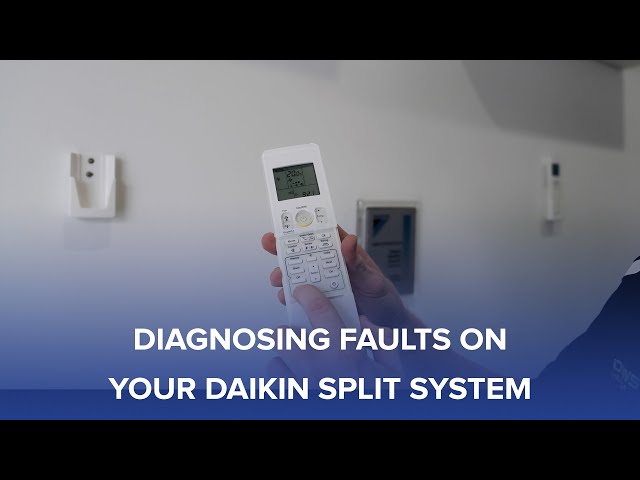
- Check for Error Codes: Look for any flashing lights or error codes on the indoor unit display. Consult your Daikin owner’s manual to decipher the code and follow any recommended troubleshooting steps.
- Inspect Air Vents: Ensure all air vents are open and unobstructed to allow proper airflow throughout your home.
- Check for Refrigerant Leaks (Visual Inspection): Look for oily residue or ice buildup on refrigerant lines, indicating a potential leak. (Note: Detecting leaks accurately requires specialized equipment, so this is mainly a visual check).
- Listen to the Compressor: Pay attention to the sounds coming from the outdoor unit. A humming noise is normal, but loud grinding or clicking noises could indicate a compressor problem.
- Clean the Coils (Indoor & Outdoor): Carefully clean the coils on both the indoor and outdoor units using a soft brush or vacuum with a brush attachment. Dust and debris can reduce efficiency.
- Test the Fan: Observe if the indoor and outdoor fans are running properly. If a fan is not spinning, it might have a motor problem.
Fix the Issue Without Buying Parts
You can often resolve heating problems without buying new components:
- Resetting the Unit: As mentioned above, simply turning the unit off and back on can often resolve minor issues.
- Cleaning: Regularly clean the air filter and the indoor/outdoor coils to ensure optimal airflow and heat exchange.
- Recalibration: Refer to your owner’s manual for instructions on how to recalibrate the thermostat or other settings.
- Inspection Tips: Regularly inspect the outdoor unit for debris or ice buildup, especially during winter.
- Maintenance Basics: Schedule professional maintenance annually to catch potential problems early and keep your unit running efficiently.
When Replacement Might Be Necessary
If troubleshooting steps don’t resolve the issue, replacement of a component might be necessary. These are estimates only; local rates will vary.
- Compressor: Replacing a faulty compressor can cost between $800-$2000.
- Control Board: Replacing a malfunctioning control board can cost between $300-$800.
- Fan Motor: Replacing a fan motor can cost between $200-$500.
- Refrigerant Leak Repair: Leak detection and repair can range from $200 to $600, depending on the location and complexity of the leak.
Safety Warning
- Always turn off the power to the unit at the circuit breaker before performing any maintenance or repairs.
- Avoid working on the unit when it’s wet or near standing water.
- Do not attempt to repair refrigerant leaks yourself. Refrigerant handling requires specialized equipment and training.
- If you’re unsure about any step, consult a qualified HVAC technician.
Tools You May Need
Here are some simple tools that might be helpful:
- Screwdrivers (Phillips and flathead)
- Vacuum cleaner with brush attachment
- Soft brush
- Wrench set
- Multimeter (for basic electrical testing if you are comfortable using one)
FAQ
Here are some frequently asked questions about Daikin inverters not blowing hot air:
-
Q: Why is my Daikin blowing cold air even though it’s set to heat?
A: Double-check the mode, thermostat setting, and air filter. A dirty filter or incorrect settings are often the cause. -
Q: How often should I clean my Daikin’s air filter?
A: Ideally, you should clean or replace your air filter every 1-3 months, depending on usage and air quality. -
Q: What does it mean if my Daikin is displaying an error code?
A: An error code indicates a specific problem. Refer to your owner’s manual to decipher the code and follow the recommended troubleshooting steps. -
Q: Is it normal for the outdoor unit to ice up during the winter?
A: Some ice buildup is normal, but excessive ice can indicate a problem. Make sure the unit is free of debris and consider calling a technician if the ice doesn’t melt.
Conclusion
Troubleshooting a Daikin inverter that isn’t blowing hot air can be manageable with a systematic approach. Try the steps outlined above before calling a technician. By following these steps, you can potentially restore your unit’s heating capabilities and maintain a comfortable home environment. However, if the problem persists or involves complex repairs, consult a qualified HVAC professional for assistance.
Youtube Video:
Looking for more useful options?
Check out recommended resources that others find helpful.