Introduction
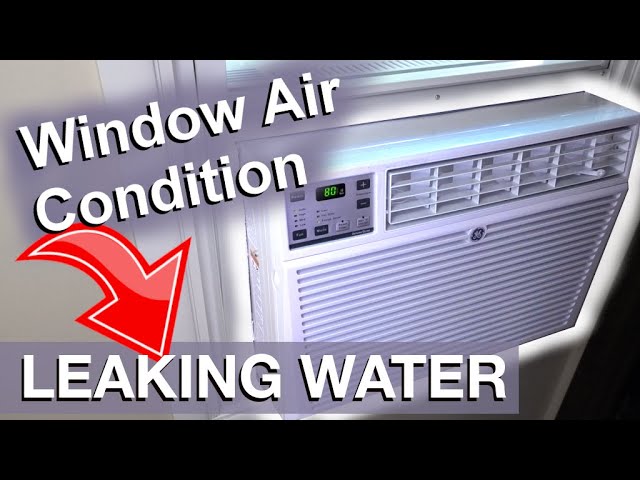
Finding your air conditioner spitting water out the front isn’t just annoying; it can also signal a problem that could lead to bigger issues down the line. This usually happens when the AC unit can’t properly drain the water it collects from the air. Not addressing it can damage your walls, floors, and even the AC unit itself. If you notice water dripping or spraying from the front of your AC, it’s important to investigate promptly to prevent further damage and ensure your unit is running efficiently.
Common Causes of Air Conditioner Spitting Water Out Front
Here are some of the most common reasons why your air conditioner might be spitting water:
- Clogged Drain Line: This is the most frequent culprit. Dust, dirt, and algae can build up and block the drain line, preventing water from flowing out.
- Dirty Air Filter: A clogged air filter restricts airflow, causing the evaporator coil to freeze. When the ice melts, it produces excess water.
- Frozen Evaporator Coil: As mentioned above, restricted airflow can lead to a frozen coil. Poor maintenance is a common reason.
- Incorrect Installation Angle: If your window AC unit isn’t tilted slightly downward and outward, water cant drain properly.
- Damaged Drain Pan: The drain pan collects condensation. If it’s cracked or rusted, it can overflow.
- High Humidity Levels: Extremely humid weather can overwhelm the AC’s drainage system, leading to some water escaping.
- Drainpipe blockages due to insects: Especially common in warmer climates, insects like ants and small spiders can nest in the drain line causing a blockage.
- Refrigerant Leaks: While less common, low refrigerant can cause the evaporator coil to freeze, resulting in excessive water when it thaws. This should be handled by a professional.
Symptoms Checklist
Use this checklist to accurately identify the issue:
- Water dripping or spraying from the front of the AC unit.
- Standing water around the base of the unit.
- Reduced cooling performance.
- Ice formation on the evaporator coils (visible when you remove the filter).
- Unusual noises, such as gurgling or bubbling sounds.
- Musty odor coming from the unit.
How to Fix Air Conditioner Spitting Water Out Front Step-by-Step Guide
Follow these steps to troubleshoot and fix the issue:
- Safety First: Turn off and unplug the air conditioner before starting any work.
- Check the Air Filter: Remove the air filter and inspect it. If it’s dirty, clean it with warm, soapy water or replace it with a new one. Let it dry completely before putting it back.
- Inspect the Drain Line: Locate the drain line (usually a small tube at the back or bottom of the unit).
- Clear the Drain Line: Use a stiff wire, pipe cleaner, or wet/dry vacuum to clear any clogs in the drain line. Gently push the wire through the tube, or use the vacuum to suck out any debris.
- Check the Drain Pan: Carefully inspect the drain pan for cracks, rust, or debris. If you find cracks or rust, it might need to be replaced (see “When Replacement Might Be Necessary” below).
- Clean the Drain Pan: Remove any standing water and debris from the drain pan. You can use a mild bleach solution (1 part bleach to 10 parts water) to kill any mold or algae. Rinse thoroughly.
- Check the Installation Angle: Ensure the air conditioner is tilted slightly downward and outward to facilitate drainage. Use shims or adjustments to correct the angle if needed.
- Melt Any Ice Buildup: If you suspect a frozen evaporator coil, turn off the unit and let the ice melt completely. This may take several hours.
- Run the Fan Only: After the ice has melted, run the AC on “fan only” mode to help dry out the unit and prevent further freezing.
- Reassemble and Test: Once everything is clean and dry, reassemble the unit and plug it back in. Turn it on and observe if the water is still spitting out.
- Monitor Performance: Keep an eye on the unit for the next few hours to ensure the problem is resolved and the AC is cooling properly.
- Inspect External Drainage: If your drain line empties outside, check that it is not blocked by leaves or debris at the exit point.
Fix the Issue Without Buying Parts
Often, you can resolve the issue without buying any new parts. Here are some free methods to try:
- Reset the AC Unit: Unplug the unit for 15-20 minutes, then plug it back in. This can sometimes reset the internal controls and resolve minor glitches.
- Thorough Cleaning: Regularly cleaning the air filter and drain pan can prevent clogs and other issues.
- Proper Maintenance: Clean the unit regularly, even when there isn’t an obvious problem, to extend its life and prevent future issues.
- Visual Inspection: Regularly inspect the AC unit for any signs of damage, leaks, or other problems. Early detection can prevent more serious issues.
When Replacement Might Be Necessary
While rare, sometimes replacement is unavoidable. If the drain pan is severely cracked or rusted, or if a refrigerant leak is suspected, replacement of the pan, or professional servicing (for refrigerant) are best. A new drain pan typically costs between $20 and $50. Refrigerant leaks can be significantly more expensive to repair, ranging from $150 to $400, depending on the unit and the type of refrigerant. In some cases, it may be more cost-effective to replace the entire unit. Evaporator coils are costly to repair, but are not generally a cause of water leaks. They can lead to ice build-up that will leak water when melted. The entire unit would have to be replaced.
Safety Warning
Keep these safety tips in mind:
- Always unplug the air conditioner before performing any maintenance or repairs.
- Avoid contact with water when the unit is plugged in to prevent electric shock.
- Be careful when handling sharp tools or chemicals.
- If you are not comfortable performing any of these steps, contact a qualified technician.
- Ensure the floor around the AC unit is dry to avoid slipping hazards.
Tools You May Need
Here’s a list of simple tools that might be helpful:
- Screwdriver (Phillips and flathead)
- Wire or pipe cleaner
- Wet/dry vacuum
- Mild detergent or bleach
- Clean cloths or paper towels
- Flashlight
- Gloves
FAQ
Here are some frequently asked questions about air conditioner leaks:
- Why is my AC leaking even after I cleaned the filter? There may be a clog deeper in the drain line that needs to be cleared.
- How often should I clean my AC filter? At least once a month, or more often if you have pets or live in a dusty environment.
- Can I use any type of cleaner on the drain pan? Avoid harsh chemicals that could damage the pan. A mild bleach solution is usually best.
- Is it normal for an AC to drip a little water? Yes, some condensation is normal, but excessive dripping or spitting is not.
- What if I can’t find the drain line? Consult your AC unit’s manual or search online for the specific model’s diagram.
Conclusion
Seeing your air conditioner spitting water can be concerning, but with a little troubleshooting, you can often fix the problem yourself. Remember to prioritize safety and take your time. If you’ve tried these steps and the issue persists, it might be time to call a qualified technician. But, most importantly, don’t ignore the problem addressing it early can save you money and prevent further damage to your home and AC unit!
Youtube Video:
Looking for more useful options?
Check out recommended resources that others find helpful.