Introduction
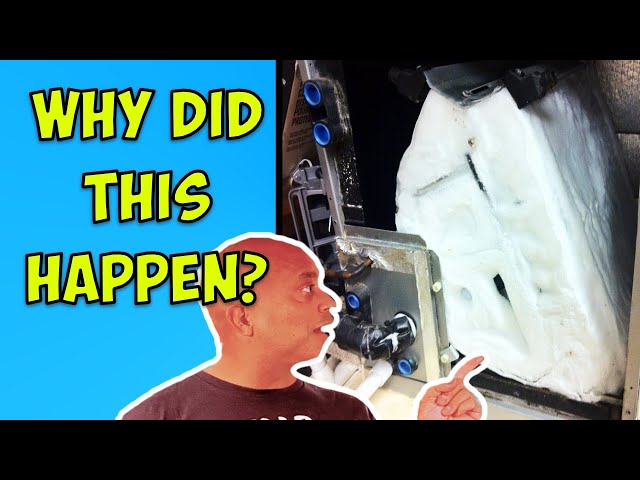
When your air conditioner isn’t cooling your home properly, one common culprit could be ice buildup on the coils of your air handler. The air handler is the indoor part of your AC system, usually located in an attic, basement, or closet. The coils inside it are responsible for cooling the air. If these coils ice up, the AC’s ability to absorb heat is greatly reduced, leading to warm air blowing from your vents. This issue needs to be addressed quickly because continuing to run the AC with frozen coils can damage the compressor, a very expensive repair!
Common Causes of Air Handler Coils Icing Up
Several factors can contribute to ice forming on your air handler coils:
- Low Refrigerant: A refrigerant leak results in low pressure within the system, causing the coils to get too cold and freeze.
- Dirty Air Filter: A clogged air filter restricts airflow, making the coils colder than normal and prone to icing.
- Blocked Return Vents: Similar to a dirty filter, blocked return vents reduce airflow across the coils.
- Dirty Evaporator Coils: Dust and debris buildup on the coils themselves insulate them and reduce heat absorption, leading to icing.
- Blower Fan Problems: If the blower fan isn’t working properly, it can’t circulate enough air across the coils.
- Low Outdoor Temperature: Running your AC when the outside temperature is too low (below 60F or manufacturer’s minimum) can cause icing.
- Leaky Ductwork: Leaks in the ductwork can cause the AC to work harder and potentially lead to freezing.
- Frozen Condensate Drain Line: A blocked condensate drain line can cause water to back up and freeze on the coils.
- Thermostat Issues: A malfunctioning thermostat might keep the AC running constantly, even when it doesn’t need to, potentially leading to icing.
Symptoms Checklist
Here are some signs that your air handler coils might be icing up:
- Warm air blowing from your vents.
- Reduced airflow from the vents.
- Visible ice on the air handler coils (if you can see them).
- Water leaking from the air handler unit (after the ice melts).
- The AC unit is running constantly without cooling effectively.
- Unusual hissing or bubbling sounds coming from the AC unit.
How to Fix Air Handler Coils Icing Up Step-by-Step Guide
Follow these steps to troubleshoot and potentially fix the issue:
- Turn Off the AC: Immediately turn off your AC system at the thermostat. This allows the ice to melt and prevents further damage. Set the thermostat to “Off” or “Heat” (if needed).
- Turn on the Fan: Set the thermostat fan setting to “On” (not “Auto”). This will circulate air across the coils and help the ice melt faster.
- Inspect the Air Filter: Remove and inspect your air filter. If it’s dirty or clogged, replace it with a new one. Use the correct size and type of filter recommended by your AC manufacturer.
- Check Return Vents: Make sure all return vents in your home are open and not blocked by furniture, rugs, or other objects.
- Check for Obstructions Around the Outdoor Unit: Ensure the outdoor unit isn’t blocked by leaves, snow, or debris. Clear away any obstructions.
- Wait for the Ice to Melt: This can take several hours. Be patient and let the fan run to speed up the process. Place towels or a pan under the air handler to catch any melting water.
- Inspect the Condensate Drain Line: Locate the condensate drain line (usually a PVC pipe near the air handler). Check for any clogs or obstructions. You can try using a wet/dry vacuum to suck out any debris.
- Check for Leaks: Look for any signs of refrigerant leaks, such as oily residue on the refrigerant lines or around the outdoor unit. Important: Refrigerant leaks require professional attention.
- After Ice Melts, Turn AC Back On: Once all the ice has melted (give it at least 2-4 hours), turn your AC back on and monitor its performance.
- Observe: Check the air temperature from the vents after about 30 minutes to see if it’s cooling properly. Listen for any unusual noises.
- Run the AC for 24 Hours: Monitor the AC for 24 hours. If the coils ice up again, there is likely a more serious underlying issue that requires professional help.
Fix the Issue Without Buying Parts
Here are some simple things to try without purchasing new parts:
- Air Filter Cleaning/Replacement: As mentioned above, this is often the first and most effective step.
- Clear Obstructions: Removing any obstructions from return vents and the outdoor unit.
- Condensate Drain Line Clearing: Clear any blockages that you are able to access safely.
- Visual Inspection: Carefully inspect the refrigerant lines for obvious damage or leaks.
- Thermostat Adjustment: Ensure the thermostat is set correctly and isn’t malfunctioning by constantly calling for cooling.
When Replacement Might Be Necessary
If the above steps don’t resolve the icing issue, a component may need replacing. Here are some possibilities:
- Blower Motor: If the blower motor is failing, it won’t circulate enough air. Replacement can cost $200-$800 (USD) depending on the model.
- Refrigerant: If the refrigerant is low, a qualified technician will need to find the leak, repair it, and recharge the system. This can cost $200-$1000+ depending on the severity of the leak and the type of refrigerant.
- Thermostat: A faulty thermostat can cause the AC to run constantly. Replacement thermostats range from $50-$300 (USD).
- Evaporator Coil: In rare cases, the evaporator coil itself may be damaged and need replacement. This is a major repair that can cost $800-$2000+ (USD).
Safety Warning
- Always turn off the power to your AC unit at the breaker before attempting any repairs.
- Be careful when working with electrical components. If you’re not comfortable, call a professional.
- Avoid touching refrigerant lines. Refrigerant can cause frostbite.
- If you suspect a refrigerant leak, ventilate the area and avoid inhaling the fumes.
- Ensure the area around the air handler is dry to prevent electric shock.
Tools You May Need
- Screwdrivers (Phillips and flathead)
- Wet/dry vacuum
- New air filter (correct size for your unit)
- Flashlight
- Towels or a pan to catch water
FAQ
- Q: How long does it take for the ice to melt? A: It can take anywhere from 2 to 24 hours, depending on the amount of ice buildup.
- Q: Can I use a hair dryer to melt the ice faster? A: No! Using a hair dryer can damage the delicate coils and other components.
- Q: Why does a dirty air filter cause icing? A: A dirty filter restricts airflow, making the coils colder than they should be, leading to ice formation.
- Q: How often should I change my air filter? A: It depends on your environment and the type of filter, but generally, every 1-3 months is recommended.
- Q: Is it normal for water to drip from my air handler after icing? A: Yes, that’s the melted ice. Make sure it’s draining properly. If not, there might be a clog.
- Q: What do I do if I can’t find the condensate drain line? A: Consult your AC unit’s manual or contact a qualified HVAC technician.
Conclusion
Troubleshooting air handler coils icing up can often be resolved with simple steps like changing the air filter and ensuring proper airflow. By following this guide, you may be able to save money and avoid a costly service call. However, if the problem persists, it’s best to consult a qualified HVAC technician to diagnose and repair the underlying issue. Don’t hesitate to seek professional help to keep your AC system running smoothly and efficiently!
Youtube Video:
Looking for more useful options?
Check out recommended resources that others find helpful.