
Introduction
Is your air conditioner suddenly making a racket? A loud AC unit can be more than just annoying it can indicate a serious problem that, if ignored, could lead to expensive repairs. Whether it’s a persistent hum, a clanging sound, or a high-pitched squeal, understanding the source of the noise is the first step towards fixing it. Don’t delay addressing the issue; early intervention can often prevent minor problems from escalating into major system failures.
💡 Technical Key Takeaways:
- Core Focus: Diagnostic schematic and terminal connection layout for Air Conditioner Blowing Loud.
- Target Scope: Field technicians, automotive DIYers, and residential/commercial electricians.
- Safety Rule: Always disconnect the primary power source/battery terminal and verify zero voltage with a multimeter before touching wires.
Common Causes of Air Conditioner Blowing Loud
Here are some of the most common reasons why your AC might be making excessive noise:
- Loose Debris: Leaves, twigs, or small objects can get caught in the outdoor unit’s fan, creating a rattling sound.
- Fan Blade Issues: Bent or damaged fan blades can cause vibrations and noise.
- Compressor Problems: A failing compressor, the heart of your AC, can produce loud humming or buzzing noises.
- Loose Screws or Panels: Vibrations can loosen screws and panels, leading to rattling sounds.
- Dirty Air Filter: A clogged filter restricts airflow, forcing the system to work harder and potentially create noise.
- Refrigerant Leaks: Low refrigerant levels can cause the compressor to strain and make unusual noises.
- Ductwork Problems: Leaky or poorly insulated ducts can cause whistling or hissing sounds.
- Motor Issues: The fan motor or blower motor can become noisy as they age or develop problems.
- Worn Bearings: Bearings in the fan motor or blower motor can wear out, leading to squealing or grinding noises.
- Ice Buildup: Ice forming on the evaporator coil can restrict airflow and make the unit work harder and louder.
Symptoms Checklist
Check these symptoms to help pinpoint the issue:
- Rattling Noise: Could indicate loose debris, screws, or panels.
- Humming Noise: Often points to electrical issues or a failing compressor.
- Squealing Noise: Might suggest worn bearings in the motor.
- Buzzing Noise: Could be related to electrical problems or a refrigerant leak.
- Clicking Noise: Can indicate a faulty relay or capacitor.
- Hissing Noise: Often a sign of a refrigerant leak.
- Grinding Noise: Likely means the motor bearings are failing.
- Increased Energy Bills: A struggling AC unit will use more energy.
- Reduced Cooling: The AC may be running, but not effectively cooling the air.
How to Fix Air Conditioner Blowing Loud Step-by-Step Guide
Follow these steps to troubleshoot and potentially fix the issue:
- Turn Off the Power: Always disconnect the power to the AC unit at the breaker box before attempting any repairs. Safety first!
- Inspect the Outdoor Unit: Look for any visible debris, such as leaves or twigs, caught in the fan or around the unit.
- Clean the Outdoor Unit: Gently remove any debris with your hands or a soft brush.
- Check the Fan Blades: Inspect the fan blades for any signs of damage or bending. Straighten any bent blades carefully (if you’re comfortable doing so).
- Tighten Loose Screws and Panels: Inspect the outdoor unit for any loose screws or panels and tighten them securely.
- Replace the Air Filter: A dirty air filter can cause a lot of problems. Replace it with a new, clean filter.
- Inspect Ductwork (if accessible): Look for any visible leaks or damage to the ductwork. Seal any small leaks with duct tape.
- Check for Ice Buildup: If you see ice on the evaporator coil (usually inside the indoor unit), turn off the AC and let the ice melt completely. Then, try running the AC again.
- Listen Carefully: With the AC running (after the power is restored), try to pinpoint the exact location of the noise. This can help you narrow down the problem.
- Check the Fan Motor (if accessible): If you can safely access the fan motor, try spinning the fan blade by hand. If it feels stiff or makes noise, the motor may be failing.
- Inspect the Compressor: Look for any signs of oil leaks or damage around the compressor. (Note: Compressor issues often require professional help.)
Fix the Issue Without Buying Parts
Before rushing to buy replacement parts, try these free solutions:
- Reset the AC Unit: Turn off the breaker for a few minutes, then turn it back on. This can sometimes resolve minor electrical glitches.
- Clean the Outdoor Unit Regularly: Prevent debris buildup by cleaning the outdoor unit every few months.
- Ensure Proper Airflow: Keep vents clear of obstructions to ensure proper airflow throughout your home.
- Basic Maintenance: Regular filter changes and outdoor unit cleaning are crucial for maintaining a quiet and efficient AC.
When Replacement Might Be Necessary
In some cases, a loud AC might indicate a failing component that needs replacement. Here are some situations where replacement might be necessary:. For more related activities, check out our Air Conditioner Loud Outside.
- Failing Compressor: Replacing a compressor can cost between $800 and $2000 (USD).
- Damaged Fan Motor: Replacing a fan motor can cost between $200 and $600 (USD).
- Worn Blower Motor: Replacing a blower motor can cost between $300 and $800 (USD).
- Extensive Refrigerant Leak: If the leak is difficult to repair, replacing the entire unit might be more cost-effective.
Safety Warning
- Always disconnect the power before working on your AC unit.
- Avoid working on electrical components if you are not comfortable doing so. Call a professional.
- Be careful when handling fan blades; they can be sharp.
- Never spray water directly onto electrical components.
Tools You May Need
Here’s a basic list of tools that may be helpful:
- Screwdrivers (Phillips and flathead)
- Wrench set
- Soft brush
- Duct tape
- Work gloves
- Safety glasses
FAQ
Here are some frequently asked questions about loud AC units:
- Q: Why is my AC making a rattling noise? A: It could be loose debris, screws, or panels.
- Q: What does a humming noise usually mean? A: It often indicates electrical issues or a failing compressor.
- Q: How often should I change my air filter? A: At least every 1-3 months, or more often if you have pets or allergies.
- Q: When should I call a professional? A: If you are not comfortable working on electrical components or if the problem persists after trying the above steps.
Conclusion
Don’t let a noisy air conditioner disrupt your comfort. By following these troubleshooting steps, you can often identify and fix the problem yourself. Remember to prioritize safety and don’t hesitate to call a qualified technician if you’re unsure about any of the steps. Keeping your AC unit well-maintained will not only reduce noise but also improve its efficiency and lifespan.
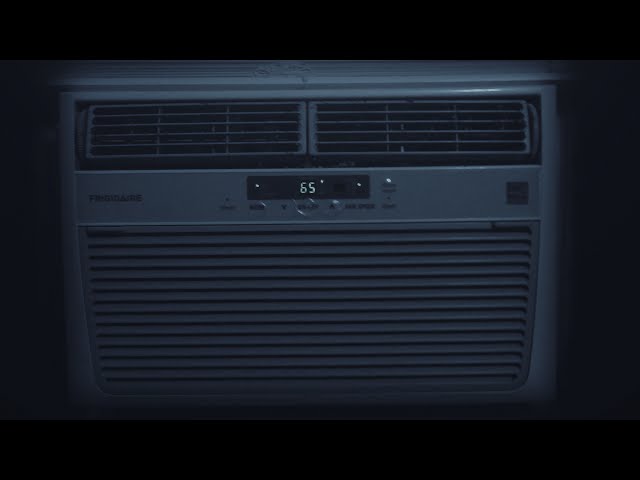
Youtube Video:
Quick Wiring Specifications & Terminal Guide
| Component / Circuit | Standard Wire Gauge | Recommended Protection |
|---|---|---|
| Control & Trigger Signals | 18 – 20 AWG | 5A – 7.5A Inline Fuse |
| Standard Auxiliary Load | 14 – 16 AWG | 15A – 20A Circuit Breaker |
| Main Power Feed / Supply | 10 – 12 AWG | 30A – 40A Heavy-Duty Relay |
Images References
Looking for more diagnostic guides? Explore our complete Air Conditioner Troubleshooting 3 section for step-by-step troubleshooting solutions.
