Introduction
Finding your air conditioner leaking water outside on a hot day can be concerning. While it might seem minor, this water leakage can indicate a bigger problem with your AC system. Left unaddressed, it can lead to reduced cooling efficiency, higher energy bills, and even damage to your home’s foundation. This guide is designed to help you, the homeowner, understand why your AC is leaking and provide easy-to-follow steps to troubleshoot the issue yourself. Addressing this quickly can prevent further damage and save you money in the long run.
Common Causes of AC Leaking Outside
Several things can cause your AC to leak water. Here are some of the most common:
- Clogged Condensate Drain Line: This is the most frequent culprit. The drain line carries condensation away from your AC unit. When it gets blocked with algae, mold, or debris, water backs up and leaks.
- Dirty Air Filter: A clogged air filter restricts airflow, causing the evaporator coil to freeze. When the ice melts, it overwhelms the drainage system, leading to leaks.
- Low Refrigerant Levels: Insufficient refrigerant can cause the evaporator coil to freeze up, similar to a dirty air filter.
- Broken or Cracked Drain Pan: The drain pan collects condensation. If it’s damaged, water will leak.
- Improper Installation: A poorly installed AC unit might not be properly sloped for drainage, causing water to pool and leak.
- High Humidity: On extremely humid days, your AC might produce more condensation than the drain line can handle, resulting in minor leakage.
- Damaged or Disconnected Drain Line: The drain line itself might be cracked, disconnected, or improperly connected, leading to leaks.
- Kinked Drain Line: A kink in the drain line will restrict water flow, similar to a clog.
Symptoms Checklist
Use this checklist to confirm the “ac leaking outside” issue:
- Water dripping or pooling outside near your AC unit.
- Water stains on the ceiling below your AC unit (for units in the attic or upper floors).
- A musty or moldy smell coming from your AC unit or nearby areas.
- Reduced cooling performance from your AC system.
- Ice forming on the evaporator coils (usually inside the indoor unit).
- Water backing up in the drain pan.
How to Fix AC Leaking Outside Step-by-Step Guide
Follow these steps to troubleshoot and potentially fix your AC leak:
- Turn Off the AC: Before you start, turn off your AC unit at the thermostat and the breaker for safety.
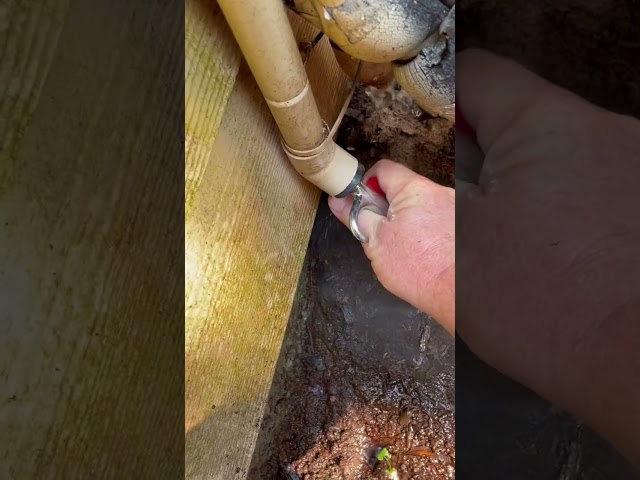
- Locate the Condensate Drain Line: This is usually a PVC pipe located near the outdoor unit or connected to the indoor unit.
- Check for Clogs: Look for visible obstructions or blockages in the drain line opening.
- Flush the Drain Line: Use a wet/dry vacuum to suck out any clogs. Place the vacuum hose over the drain line opening and create a tight seal. Run the vacuum for a few minutes.
- Pour Vinegar Down the Drain Line: Pour a cup of white vinegar down the drain line to kill algae and mold. Let it sit for 30 minutes, then flush with water.
- Check the Drain Pan: Inspect the drain pan for cracks or damage. It’s usually located beneath the indoor unit.
- Clear the Drain Pan: Remove any standing water from the drain pan. You can use a wet/dry vacuum or a sponge.
- Check the Air Filter: Remove and inspect the air filter. If it’s dirty, replace it with a new one.
- Inspect the Evaporator Coils: If you’re comfortable, carefully inspect the evaporator coils (inside the indoor unit) for ice buildup. If you see ice, let it thaw completely.
- Ensure Proper Drainage Slope: Verify that the drain line is sloping downward, allowing water to flow freely.
- Reconnect Disconnected Lines: Check all connections of the drain line to ensure it is securely attached.
- Straighten Kinked Lines: If you find any kinks, gently straighten the drain line.
- Turn the AC Back On: After completing these steps, turn the AC back on and monitor for leaks.
- Monitor Performance: Check if the AC cools the area as expected and listen for unusual noises.
- Repeat if Necessary: If the leak persists, repeat the process or consider calling a professional.
Fix the Issue Without Buying Parts
Many “ac leaking outside” problems can be resolved without buying new parts:
- Regular Cleaning: Clean your air filter monthly and the drain line at least twice a year.
- Preventative Maintenance: Schedule regular AC maintenance to catch potential problems early.
- Visual Inspection: Regularly inspect the drain line, drain pan, and air filter for any signs of damage or clogs.
- Thermostat Reset: Try resetting your thermostat. Sometimes, simple glitches can cause unusual behavior.
When Replacement Might Be Necessary
Sometimes, the leak indicates a more serious problem requiring part replacement:
- Cracked Drain Pan: A severely cracked drain pan needs replacing. Estimated cost: $50-$200 (USD).
- Refrigerant Leak: If low refrigerant is the cause, it could point to a leak requiring professional repair or, in severe cases, unit replacement.
- Extensive Evaporator Coil Damage: Severely damaged evaporator coils might warrant replacement of the entire indoor unit. Estimated cost: $500 – $2000 (USD).
Safety Warning
Take these precautions while fixing an “ac leaking outside” problem:
- Always turn off the power to the AC unit before working on it.
- Be careful when handling electrical components.
- Avoid working on your AC unit in wet conditions.
- Wear gloves to protect your hands from dirt and debris.
Tools You May Need
Here are some tools that can help you fix the “ac leaking outside” problem:
- Wet/dry vacuum
- Screwdriver (Phillips and flathead)
- Gloves
- Flashlight
- White vinegar
- Air filter (replacement)
FAQ
Here are some frequently asked questions about AC leaks:
- Why is my AC leaking so much water on humid days? High humidity means more condensation. Your drain line might be struggling to keep up.
- Can a dirty air filter cause a leak? Yes, a dirty air filter restricts airflow and can cause the evaporator coil to freeze.
- How often should I clean my AC drain line? At least twice a year, or more often if you notice signs of a clog.
- When should I call a professional? If you’ve tried the troubleshooting steps and the leak persists, or if you suspect a refrigerant leak, it’s best to call a qualified technician.
Conclusion
Don’t let a leaky AC unit stress you out! By following these steps, you can often diagnose and fix the problem yourself, saving time and money. Remember to prioritize safety and call a professional if you’re not comfortable performing any of the steps. Taking proactive steps now will keep you cool all summer long.
Youtube Video:
Looking for more useful options?
Check out recommended resources that others find helpful.